
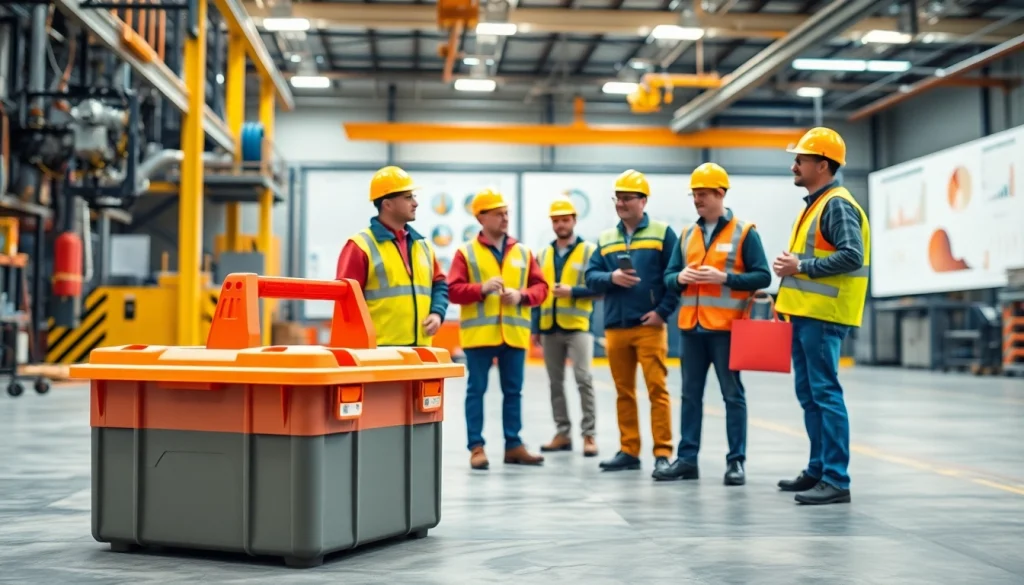
Understanding Physical Hazards
Definition of Physical Hazards
Physical hazards are conditions or objects in the workplace that can cause harm to employees through immediate and identifiable risks. These hazards can result from various factors, including equipment and machinery, environmental conditions, and ergonomic practices. They encompass a broad spectrum of physical issues that can lead to workplace injuries, whether they be slips, falls, or equipment-related accidents. Recognizing and addressing these hazards is crucial in promoting a safe workplace environment. In fact, organizations that effectively manage physical hazards can significantly reduce the incidence rates of workplace injuries, thus enhancing productivity and employee morale.
Types of Physical Hazards
Physical hazards can be categorized into several distinct types, each presenting unique challenges and risks. Understanding these can help in the development of targeted safety measures:
- Mechanical Hazards: These arise from equipment and machinery that can cause injuries through moving parts, sharp edges, or projectiles. Examples include unguarded machinery and improperly maintained tools.
- Electrical Hazards: These hazards come from exposed electrical wires, faulty equipment, or wet environments leading to electric shocks or fires. Ensuring that electrical installations and equipment are safe and properly maintained is crucial.
- Thermal Hazards: Excessive heat or cold can lead to health risks such as heat stroke, frostbite, or hypothermia. Proper climate control and protective clothing are essential to mitigate these risks.
- Radiation Hazards: Exposure to radiation, including ultraviolet (UV), x-rays, and gamma rays, can pose serious long-term health risks, necessitating strict regulatory compliance and protective measures, particularly in specific industries.
- Noise Hazards: Prolonged exposure to high noise levels can result in hearing loss and other health issues. Implementing noise barriers and providing protective ear equipment are common preventative strategies.
Impact of Physical Hazards on Workers
The impact of physical hazards on workers can be severe, leading to a range of injuries that not only affect individual employees but also the overall productivity of organizations. Common impacts include:
- Injuries and Illness: Physical hazards can result in immediate injuries, such as fractures, cuts, and strains, as well as chronic health conditions from prolonged exposure to hazardous conditions.
- Increased Absenteeism: Injuries lead to time off work, which affects productivity and can increase the costs associated with worker compensation claims.
- Lower Morale: A workplace perceived as unsafe can lower employee morale, leading to higher turnover rates and difficulty in recruiting new talent.
- Financial Consequences: Companies can face significant costs from medical expenses, legal fees, fines for non-compliance, and increased insurance premiums, which can have lasting effects on their financial stability.
Recognizing Common Physical Hazards
Workplace Equipment and Machinery Risks
Workplace equipment and machinery present significant physical hazards that can lead to serious injuries if not carefully managed. Understanding these risks is the first step toward creating a safer work environment. Common risks include:
- Inadequate Safety Guarding: Many machinery types require guards to prevent access to moving parts. The absence of these guards can lead to serious accidents.
- Operator Errors: Lack of training and poor operational practices can result in operators misusing equipment, which increases the risk of accidents.
- Equipment Maintenance: Failing to perform regular maintenance can result in equipment malfunction, which can compromise worker safety.
Slips, Trips, and Falls
Slips, trips, and falls are among the most common causes of workplace injuries. They can occur in almost any setting and can have devastating consequences. Key factors contributing to these incidents include:
- Wet or Slippery Surfaces: Spills, leaks, and weather conditions can create slippery surfaces that lead to falls.
- Cluttered Workspaces: Items left on walkways or work areas can create trip hazards, leading to falls.
- Poor Lighting: Insufficient lighting can obscure potential hazards, rendering them invisible to workers.
Environmental Factors and Physical Hazards
Environmental factors play a critical role in the presence of physical hazards in the workplace. Elements such as air quality, temperature, and chemical exposure are essential considerations:
- Air Quality: Poor ventilation can lead to the accumulation of harmful pollutants that can affect worker health. Regular air quality assessments should be conducted to ensure safe working conditions.
- Extreme Temperatures: Working in very high or low temperatures can lead to heat stress or hypothermia, making proper temperature regulation crucial.
- Noise Pollution: High levels of noise can compromise workplace communication and lead to long-term hearing loss.
Best Practices for Hazard Assessment
Conducting Regular Safety Audits
Regular safety audits are vital in identifying and assessing physical hazards within the workplace. These audits should encompass protocols such as:
- Systematic Inspections: Conduct thorough inspections of equipment, workspaces, and processes to identify potential hazards.
- Documentation: Keep detailed records of inspections, findings, and corrective actions taken to ensure accountability and track progress over time.
- Employee Involvement: Engage employees in the audit process, allowing them to report hazards they notice during their work routines.
Employee Training and Awareness Programs
Training and awareness programs are essential for fostering a safety-oriented culture. These programs should focus on:
- Hazard Recognition: Educate employees on how to identify various physical hazards specific to their roles.
- Safe Work Practices: Teach safe operating procedures and encourage reporting of unsafe conditions without fear of reprisal.
- Emergency Response Training: Equip employees with knowledge of emergency procedures when faced with incidents arising from physical hazards.
Utilizing Technology for Hazard Detection
Technology has evolved significantly, providing innovative solutions for hazard detection and assessment:
- Monitoring Systems: Implement advanced monitoring systems that utilize sensors to detect potential hazards such as gas leaks or equipment malfunctions.
- Data Analytics: Utilize analytics tools to evaluate incident data and recognize patterns that can alert organizations to recurring hazards.
- Mobile Reporting Tools: Encourage the use of mobile applications for employees to report hazards swiftly and efficiently.
Implementing Safety Measures
Personal Protective Equipment (PPE) Essentials
Personal Protective Equipment (PPE) is a critical aspect of workplace safety. It serves as the last line of defense against physical hazards. Essential components include:
- Hard Hats: Protect workers from head injuries due to falling objects or bumps.
- Protective Footwear: Guard against foot injuries from heavy objects and slipping.
- Eye Protection: Prevent injuries from chemicals, flying debris, or intense light.
- Respiratory Protection: Essential in environments with hazardous fumes or particles.
Creating a Safety Culture
Creating a culture of safety within an organization is paramount. This involves:
- Leadership Commitment: Leaders must demonstrate a commitment to safety, modeling safe behaviors and supporting safety initiatives.
- Open Communication: Foster transparent communication regarding safety concerns and encourage employees to participate in safety discussions.
- Recognition and Accountability: Recognize and reward safe behaviors while holding individuals accountable for their actions regarding safety protocols.
Emergency Response Plans for Physical Hazards
Having an effective emergency response plan is crucial in mitigating the consequences of physical hazards. Elements of an effective plan should include:
- Clear Procedures: Define clear procedures for dealing with specific types of incidents, ensuring all employees understand their roles.
- Regular Drills: Conduct regular emergency drills to prepare employees for how to react in a real emergency.
- First Aid Training: Provide training on first aid and emergency response to empower employees to act effectively during a crisis.
Monitoring and Improving Safety Standards
Evaluating Safety Performance
Monitoring safety performance involves collecting data on incidents and near misses to evaluate the effectiveness of safety measures. Key steps include:
- Incident Reporting Systems: Establish systems for reporting incidents and near misses, ensuring comprehensive analysis of occurrences.
- Performance Metrics: Utilize key performance indicators (KPIs) to measure safety performance and identify areas for improvement.
- Feedback Mechanisms: Implement feedback mechanisms to collect employee input and suggestions regarding safety practices.
Staying Compliant with Occupational Safety Regulations
Compliance with occupational safety regulations is essential for protecting worker safety and avoiding legal repercussions. Organizations should ensure compliance by:
- Regular Training Updates: Keep training programs up to date regarding current regulations and standards.
- Policy Revisions: Regularly review and update company safety policies to align with any new regulatory changes.
- Documentation and Reporting: Maintain accurate records of safety inspections, incidents, and employee training to demonstrate compliance.
Continuous Improvement Strategies for Safety Practices
Continuous improvement is key to sustaining high safety standards. Organizations can implement strategies such as:
- Regular Reviews: Conduct regular reviews of safety protocols and performance metrics to identify areas for enhancement.
- Collaboration and Learning: Participate in industry safety forums to learn from best practices and share experiences with peers.
- Investing in Technology: Keep up with technological advancements in safety equipment and hazard detection systems.