Understanding Structural Steel Construction
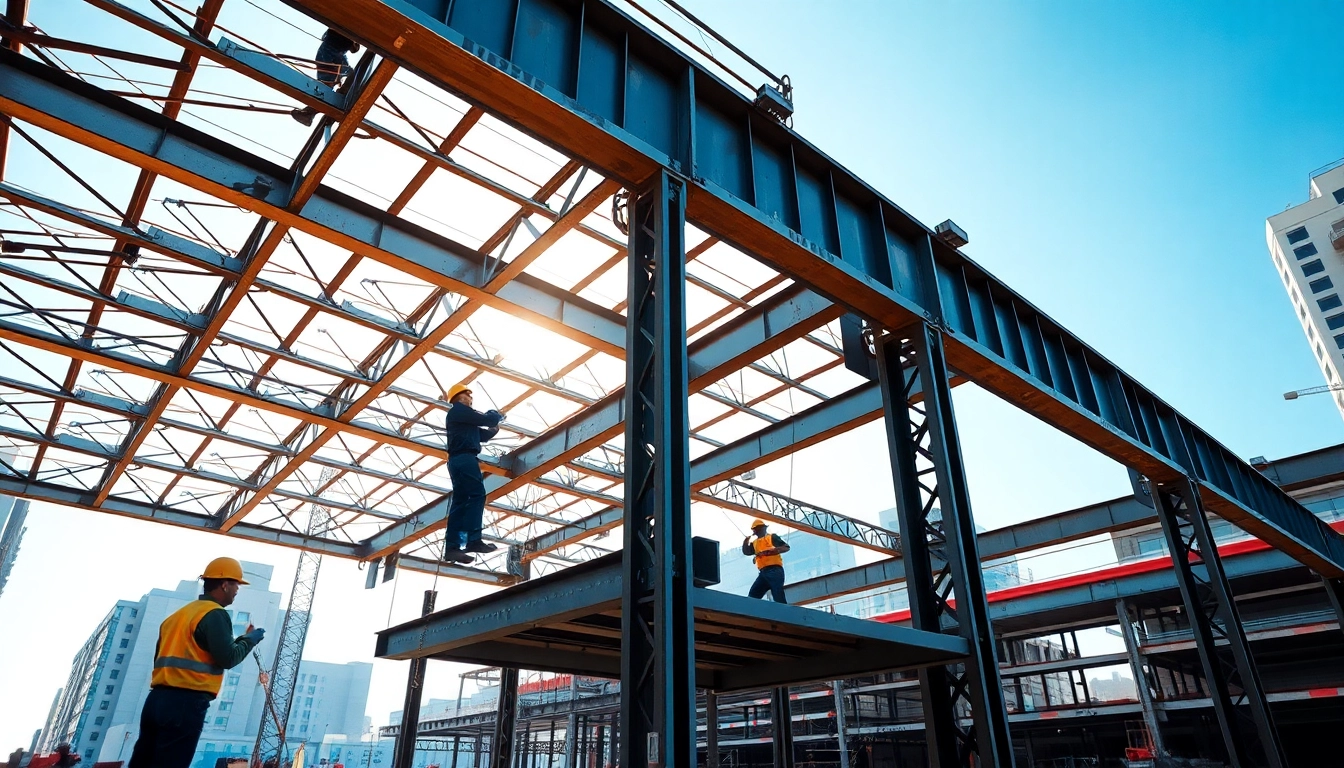
Structural steel construction plays a critical role in today’s architecture and engineering landscape. It involves the use of steel as a primary material in building the framework of structures ranging from skyscrapers and bridges to residential homes and industrial buildings. The strength, versatility, and aesthetic appeal of structural steel construction make it an invaluable asset in both the design and construction phases of modern building projects.
Definition and Importance of Structural Steel
Structural steel refers to a category of steel used for making construction materials in a variety of shapes. It is produced in accordance with specific standards that determine the physical properties and chemical make-up of the steel, allowing it to withstand loads, resist corrosion, and maintain structural integrity over time. The importance of structural steel cannot be underestimated; it is instrumental in ensuring the durability, safety, and longevity of structures. By providing a solid framework, structural steel allows for greater design flexibility, enabling architects and engineers to create innovative designs that might not be possible with traditional materials.
Types of Structural Steel Used in Construction
Several types of structural steel are commonly utilized in construction, each suited for different applications:
- W-Beams: Wide flange beams used primarily in the construction of buildings.
- HSS (Hollow Structural Sections): These are used for both compression and tension applications.
- Angles: Often used in bracing and framework, providing both strength and stability.
- Channels: These are utilized for beams, frame structures, and more due to their good strength-to-weight ratio.
- Plates: Thick sheets of steel used in various structural applications, including flooring and base plates.
Key Advantages of Using Structural Steel
The advantages of using structural steel in construction projects are numerous:
- Strength and Durability: Structural steel has a high strength-to-weight ratio, allowing it to bear heavy loads and withstand harsh environmental conditions.
- Speed of Construction: Pre-engineered steel components can lead to faster construction timelines, reducing overall project duration.
- Design Flexibility: Steel can be fabricated to accommodate unique designs, making it adaptable to various architectural needs.
- Cost-Effectiveness: Steel is often more economical compared to other materials when considering lifespan and maintenance.
- Sustainability: Structural steel is recyclable, making it an environmentally friendly option for modern construction.
Techniques in Structural Steel Construction
Designing Steel Structures: Best Practices
Effective design is crucial in ensuring that structural steel frameworks meet both aesthetic and functional requirements. Best practices in designing steel structures include:
- Load Analysis: Accurate assessments of loads, including dead loads, live loads, and environmental loads, must be performed to ensure safety.
- Utilize Advanced Software: Implementing advanced design software can enhance precision in calculations and modeling.
- Collaboration: Early and continuous collaboration between architects, engineers, and contractors fosters an integrated approach to design.
- Regulatory Compliance: Adhering to building codes and industry standards is essential for legal and safety considerations.
Fabrication Processes for Structural Steel
The fabrication process is where raw steel is transformed into structural components. Important fabrication techniques include:
- Cutting: Steel sections are cut to specific lengths using shearing, laser cutting, or plasma cutting techniques.
- Joining: Techniques like welding, bolting, or riveting are employed to assemble components.
- Coating: Protective coatings are applied to steel members to guard against corrosion and wear.
- Quality Control: Rigorous testing, including tensile tests and weld inspections, ensure the integrity of fabricated components.
Installation Methods and Approaches
The installation of structural steel components must be executed with precision. Common installation methods include:
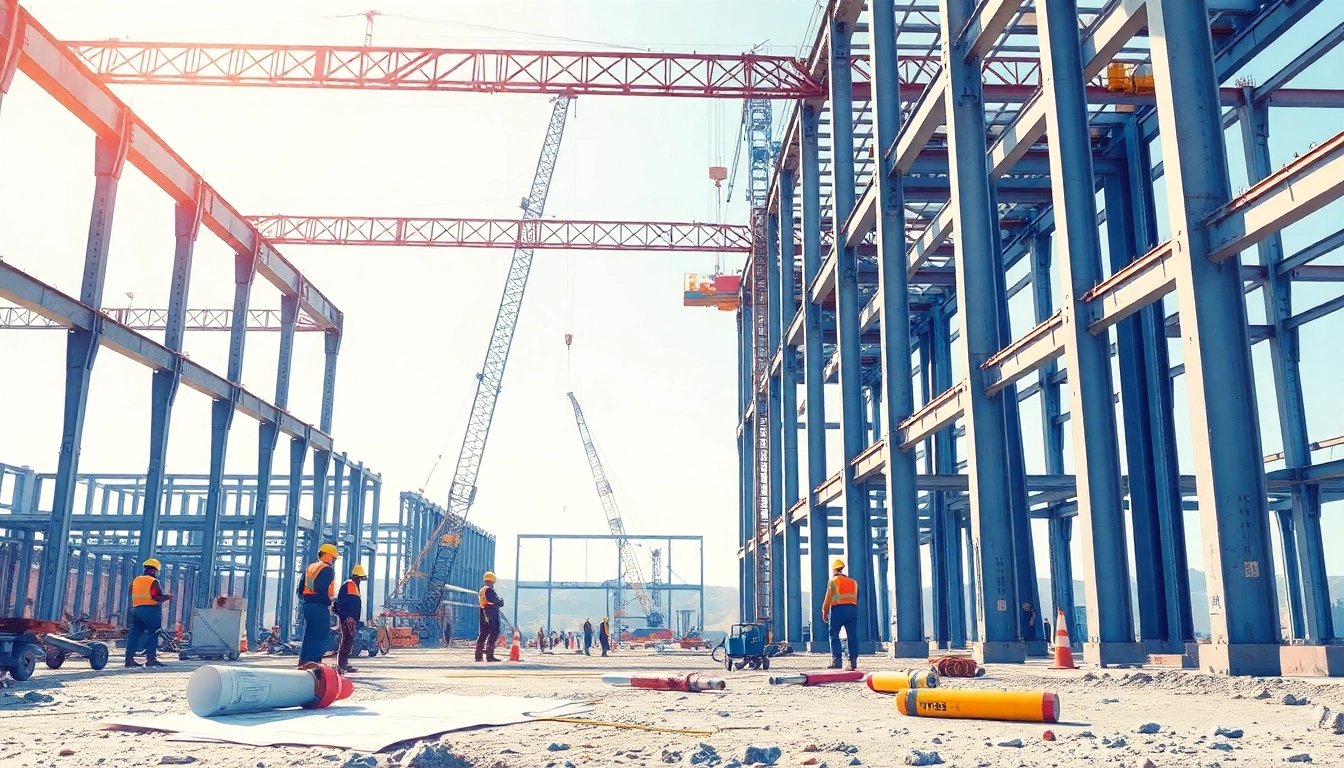
- Crane Lifting: Heavy structural steel components are often lifted and positioned using cranes, necessitating careful load management.
- Modular Construction: Prefabricated modules can streamline the installation process, improving efficiency.
- Bolted Connections: These components allow for quicker assembly on-site compared to welding.
- Field Adjustments: Flexibility on-site is important, with installation teams prepared to make adjustments as needed.
Safety Protocols in Structural Steel Construction
Identifying Potential Hazards on Site
Workplace safety in structural steel construction cannot be overlooked. Identifying potential hazards is a fundamental step in minimizing risks. Common hazards include:
- Falling objects from elevated work areas.
- Working at heights, which increases the risk of falls.
- Electrical hazards related to welding and cutting equipment.
- Heavy machinery operation risks.
- Exposure to harmful substances from coatings or chemicals used in steel treatments.
Best Safety Practices for Workers
Establishing a robust safety culture on-site is vital. Best practices include:
- Training Programs: Regular safety training sessions should be conducted to educate workers on equipment, hazard recognition, and emergency protocols.
- Personal Protective Equipment (PPE): Ensuring that all workers are equipped with required PPE such as hard hats, gloves, and harnesses.
- Safety Audits: Routine safety inspections and audits can help to identify and rectify potential hazards before they result in injuries.
- Clear Communication: Establishing open lines of communication regarding safety concerns can empower workers to speak up about hazards.
Importance of Compliance with Safety Regulations
Compliance with OSHA and other regulatory guidelines is critical for protecting personnel and ensuring safe working environments. Non-compliance can lead to severe consequences, including legal penalties, project delays, and most importantly, injuries or fatalities. Regular audits and comprehensive documentation help maintain compliance and validate the safety protocols implemented.
Case Studies in Structural Steel Projects
Successful Commercial Structures Using Steel
Examining successful structural steel projects can yield valuable insights. For instance, the construction of the Willis Tower (formerly known as the Sears Tower) in Chicago, which was completed in 1973, showcases the possibilities of steel in high-rise design. The use of a bundled tube structural system enabled engineers to create a structure of unprecedented height while ensuring stability in high winds.
Innovative Uses of Structural Steel
Innovative uses of structural steel can serve as inspiration for architects and engineers. An example is the Beekman Tower in New York City, where the building’s twisting form is supported by an external structural steel framework. This innovative design not only provides unique aesthetics but also offers enhanced structural performance.
Lessons Learned from Steel Construction Failures
While many projects are celebrated, others serve as cautionary tales. The collapse of the Ronan Point apartment tower in London in 1968 after a gas explosion showcased the importance of proper design and regulation. The incident underscored the vital need for rigorous wind load analysis and compliance with safety standards to prevent future catastrophes. By learning from these failures, the industry can better implement safeguards and design practices to enhance overall safety.
Future Trends in Structural Steel Construction
Sustainability in Steel Manufacturing
As the construction industry moves towards more sustainable practices, the production of structural steel is also evolving. Initiatives focused on reducing carbon emissions and increasing recycling rates of steel are gaining traction. Innovations like electric arc furnaces, which recycle steel scrap, significantly reduce emissions when compared to traditional blast furnace methods.
Technological Innovations in Construction
Emerging technologies such as Building Information Modeling (BIM) are transforming how steel structures are designed and constructed. BIM allows for greater collaboration between stakeholders and improved project visualization, enhancing efficiency during the construction phase. Additionally, the use of drones for monitoring and inspection purposes is becoming increasingly common, ensuring that projects stay on schedule and comply with safety standards.
Impact of Industry 4.0 on Structural Steel
The rise of Industry 4.0 is reshaping structural steel construction through the integration of smart technologies and IoT devices. Automated machinery, robotics, and advanced sensors are set to streamline the fabrication and installation processes, further improving safety and efficiency. Machine learning and AI-driven analytics can predict maintenance needs and optimize supply chain management, reducing waste and costs.