
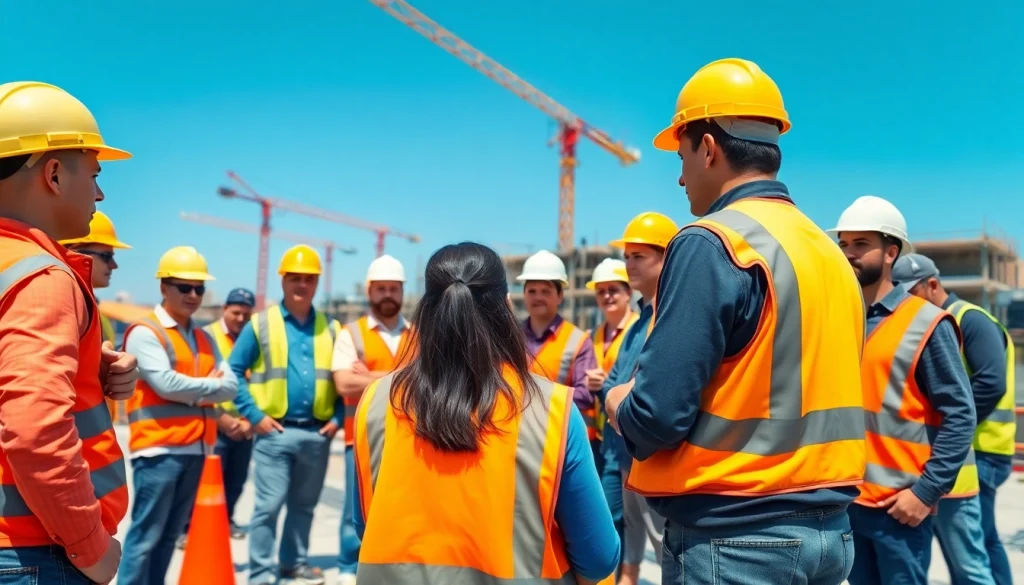
The construction industry is known for its unique challenges and hazards, making construction safety training an imperative focus for employers and employees alike. Effective training not only enhances workplace safety but also fosters a culture of safety awareness that can greatly diminish the risk of accidents and injuries on job sites. In this article, we will explore the essential elements of construction safety training, highlighting its importance, the necessary components for successful programs, compliance with regulations, evaluating their effectiveness, and showcasing case studies that illustrate the impact of rigorous safety training.
Understanding the Importance of Construction Safety Training
What is Construction Safety Training?
Construction safety training encompasses a variety of programs designed to educate workers and supervisors about the best practices for preventing accidents and injuries on construction sites. This training may cover a range of topics, including hazard recognition, proper use of personal protective equipment (PPE), fall protection measures, and safe equipment operation. By ensuring that all personnel are knowledgeable about safety protocols and procedures, companies can significantly mitigate risks associated with construction work.
Benefits of Effective Safety Training
Implementing effective safety training programs has numerous benefits, including:
- Reduction in Accidents and Injuries: Proper training equips workers with the knowledge to recognize and avoid hazards, leading to fewer accidents and injuries.
- Cost Savings: Fewer accidents mean lower workers’ compensation costs, insurance premiums, and potential litigation expenses.
- Improved Employee Morale: Workers who feel safe and protected are often more satisfied and engaged, leading to higher productivity.
- Enhanced Reputation: Companies that prioritize safety build a trusted reputation, attracting both clients and skilled workers.
Common Safety Hazards in Construction
Construction sites are fraught with various hazards including:
- Falls: One of the leading causes of injury on construction sites, often due to improper use of ladders or scaffolding.
- Electric Shock: Ensuring proper training in handling electrical work is crucial to mitigate electrical hazards.
- Struck by Objects: Falling tools or materials can cause serious injuries, underlining the need for safety gear and awareness.
- Equipment Accidents: Training on the safe operation of machinery can reduce accidents associated with heavy equipment.
Key Components of Effective Construction Safety Training Programs
Curriculum Development and Structure
A well-structured curriculum is fundamental for delivering effective safety training. Programs should be tailored to the specific needs of the construction project and workforce. Elements that should be considered while developing the curriculum include:
- Job-Specific Training: Different roles may encounter varied hazards; hence training should be job-specific.
- Hands-on Practice: Workers should have the opportunity to practice using safety equipment and procedures in controlled settings.
- Regular Updates: The curriculum should be periodically revised to include the latest regulations, technologies, and lessons learned from incidents.
Utilizing Technology in Training
Technology plays a significant role in enhancing safety training effectiveness. Some methods to incorporate technology include:
- Online Training Modules: Flexible and accessible, these tools allow workers to train without being physically present on-site.
- Virtual Reality (VR) Training: Immersive VR can simulate hazardous situations, allowing workers to experience and react to dangers safely.
- Mobile Applications: Apps can provide quick safety checks, reporting tools, and reminder functionalities that keep safety top-of-mind.
Engaging Training Techniques
To ensure retention of information, training sessions should be interactive and engaging. Techniques to enhance engagement include:
- Group Discussions: Encouraging dialogue about experiences can help reinforce concepts and learn from one another.
- Interactive Quizzes: Testing knowledge through quizzes can make learning more dynamic and assess understanding.
- Real-life Scenarios: Using case studies to analyze past accidents can illustrate the real consequences of safety failures.
Regulatory Standards and Compliance in Construction Safety
OSHA Regulations Overview
The Occupational Safety and Health Administration (OSHA) sets forth comprehensive regulations to ensure workplace safety, including specific guidelines for the construction industry. Key areas addressed in OSHA regulations include:
- Fall Protection (29 CFR 1926.501): Regulations requiring safeguards to prevent falls from elevated workspaces.
- Scaffolding Safety (29 CFR 1926.451): Standards for scaffolding construction and maintenance to ensure worker safety.
- Personal Protective Equipment (29 CFR 1926.95): Requirements for appropriate PPE based on job hazards.
State-Specific Requirements
In addition to federal regulations, many states impose their own safety requirements that can be more stringent. Construction firms should familiarize themselves with state laws to ensure compliance. Examples of state-specific regulations include:
- California’s Cal/OSHA guidelines, which often introduce additional training obligations.
- New York’s Safety Training/Certification (Site Safety Manager) mandates.
Penalties for Non-Compliance
Failure to comply with OSHA and state safety regulations can result in significant penalties, including:
- Fines: Non-compliance can lead to hefty fines based on the severity of the violation.
- Work Stoppage: Inspectors can halt operations until safety issues are addressed, causing delays and lost revenue.
- Legal Liabilities: Serious accidents or injuries due to negligence could expose firms to lawsuits and financial liabilities.
Evaluating the Effectiveness of Safety Training Programs
Performance Metrics to Monitor
To ensure that safety training programs are effective, organizations should track specific performance metrics, such as:
- Incident Rates: Monitoring the frequency of accidents before and after implementing training programs can highlight effectiveness.
- Training Completion Rates: Ensuring that all personnel complete required training demonstrates commitment to safety and compliance.
- Employee Feedback Scores: Gathering feedback from participants can provide insights into how training is perceived and areas for improvement.
Gathering Feedback from Participants
It is essential to create an environment where workers feel comfortable providing feedback. This can be achieved by:
- Anonymous Surveys: Encourage honest feedback with anonymous surveys post-training.
- Focus Groups: Conduct small group discussions to gather qualitative insights into training experiences.
Continuous Improvement Strategies
Training should never be a one-time event. Continuous improvement strategies include:
- Conducting Regular Evaluations: Consistently assess the outcomes of training programs and refine based on findings.
- Staying Informed on Industry Changes: Update training content to reflect new regulations, technologies, or best practices.
- Incorporating Lessons Learned: Analyze incidents and near misses to improve training curricula and prevention strategies.
Case Studies and Success Stories in Construction Safety Training
Industry Leaders and Their Training Methods
Several industry leaders have successfully implemented innovative safety training programs. For instance:
Turner Construction: This company emphasizes a strong safety culture through their “Safety Starts with Me” initiative, including rigorous training and accountability.
Skanska: Focused on proactive safety measures, Skanska utilizes a blend of traditional training and technology to enhance engagement and retention.
Real-Life Outcomes of Effective Training
Success stories from organizations that prioritize safety training include:
After implementing a rigorous training program, a general contractor reported a 40% reduction in workplace injuries over three years. This resulted not only in cost savings but also in higher employee satisfaction ratings.
Lessons Learned from Training Failures
Not all safety training programs are successful. Common pitfalls include:
- Generic Training: Programs that fail to address specific job-related hazards often result in poor retention and application of safety measures.
- Lack of Follow-Up: Training that is not reinforced or revisited can lead to employees forgetting key safety protocols.
Learning from these failures is crucial in refining training practices to better suit worker needs and enhance safety outcomes.