
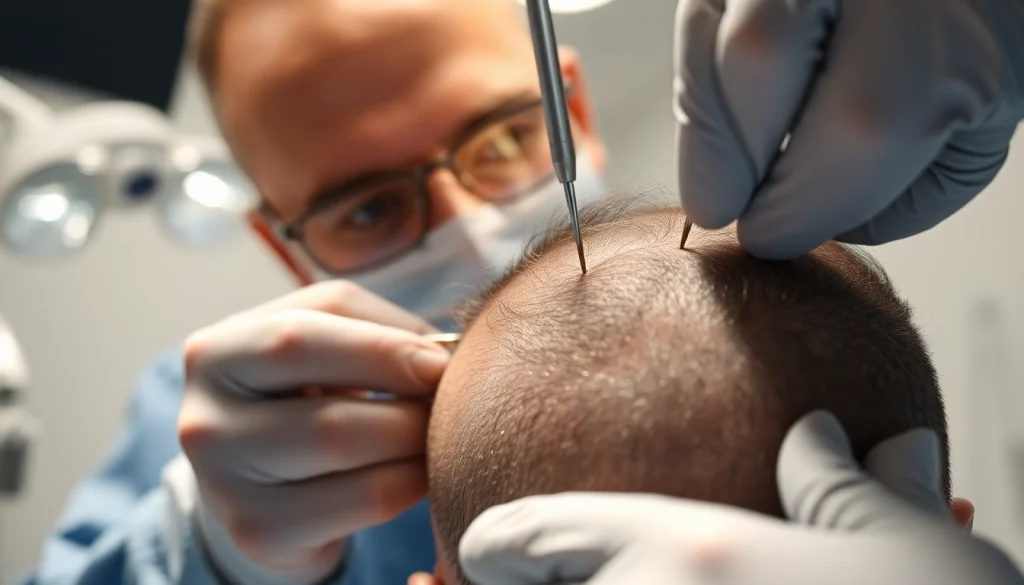
What is Hair Transplant?
Definition and Overview
Hair transplant is a surgical procedure designed to address hair loss by relocating hair follicles from a donor site, typically at the back of the scalp, to areas experiencing thinning or baldness. This innovative approach has gained popularity over the years due to its effectiveness and the natural results it can yield. Patients undergo this minimally invasive surgery to restore not only their hair but also their confidence and self-esteem. Hair transplant procedures can be highly personalized, catering to the unique needs of each individual.
Types of Hair Transplant Techniques
There are primarily two techniques employed in hair transplant surgeries: Follicular Unit Extraction (FUE) and Follicular Unit Transplantation (FUT). Understanding these methods is crucial for potential candidates, as it influences the outcome and recovery process.
- Follicular Unit Extraction (FUE): This method involves extracting individual hair follicles directly from the scalp using a specialized instrument. The follicles are then implanted into the thinning areas of the scalp. FUE is less invasive than FUT and results in minimal scarring, making it attractive for many patients.
- Follicular Unit Transplantation (FUT): In this procedure, a strip of skin containing healthy hair follicles is removed from the donor area and then dissected into individual grafts for transplantation. While FUT may leave a linear scar, it typically allows for the transplantation of a higher number of grafts in one session.
Common Misconceptions
Many misconceptions surround hair transplant procedures that can deter individuals from pursuing treatment. One prevalent myth is that the results are always immediately visible; however, it can take several months for transplanted hair to grow fully. Another misconception is that hair transplants are only for men, while women can also benefit significantly from this procedure. Educating oneself on the various aspects of hair transplants is essential for making informed decisions.
How Hair Transplant Works
Pre-Procedure Consultations
Before undergoing a hair transplant, candidates typically participate in comprehensive consultations with a hair restoration specialist. This initial meeting is crucial for assessing the patient’s hair loss pattern, family history, and medical condition. During this stage, potential clients can ask questions, discuss their expectations, and learn about the different techniques available. The physician will evaluate the hair density, the strength of the donor area, and any underlying conditions that may affect the surgery.
The Surgery Process Explained
The hair transplant procedure can vary depending on the chosen technique but generally follows a similar outline. After consultation, the patient undergoes local anesthesia to numb the scalp, ensuring comfort throughout the process. For FUE, individual follicles are extracted and selectively implanted in thinning areas. For FUT, the strip method is utilized, followed by individual placement of grafts.
Once the hair is transplanted, tiny scabs will form around the new grafts, which will naturally fall away within a few days. Patients may feel some discomfort, which can be managed with over-the-counter pain relievers. Most procedures last between four to eight hours, depending on the quantity of hair being transplanted.
Post-Operative Care
After the surgery, post-operative care is critical to ensure optimal healing and hair growth. Patients are usually advised to follow a specific set of guidelines, including avoiding strenuous exercise, minimizing direct sunlight exposure to the scalp, and refraining from wearing hats for a few weeks. Moreover, hair restoration specialists may recommend topical treatments or oral medications to assist in the healing process and promote hair growth.
Benefits of Hair Transplant
Natural-Looking Results
The primary benefit of a hair transplant is the ability to achieve natural-looking results that blend seamlessly with the existing hair. The technique allows for precision in placement, ensuring that transplanted follicles grow in the same direction as surrounding hair, which contributes to an overall realistic appearance.
Long-Term Solutions for Hair Loss
Unlike temporary solutions such as hairpieces or topical treatments, hair transplants provide a permanent solution to hair loss. Once transplanted, the hair follicles are typically resistant to the hormonal causes of baldness and can continue to grow for a lifetime. This permanence makes hair transplants a worthy investment for individuals seeking a lasting remedy for thinning hair.
Boosting Confidence and Self-Esteem
The psychological and emotional aspects of hair loss should not be underestimated. Many individuals experience a significant boost in confidence and self-esteem following hair transplant procedures. The transformation can lead to improved social interactions and a more positive self-image, making it a life-altering decision for many.
Factors Affecting Hair Transplant Success
Individual Hair Characteristics
The success of a hair transplant greatly depends on individual hair characteristics, such as hair type, color, and density. For instance, individuals with thick, coarse hair might achieve more substantial coverage compared to those with fine hair. Additionally, the texture and curl of hair play a role in the overall appearance of the transplanted area, influencing patient satisfaction.
Surgeon Experience and Expertise
The skill and experience of the surgeon performing the hair transplant are paramount for achieving desirable results. An experienced surgeon can effectively assess a patient’s unique situation, provide tailored recommendations, and execute the procedure with precision. Researching and selecting a qualified professional is essential for minimizing risks and enhancing the chances of success.
Post-Surgery Care and Maintenance
Adhering to post-operative care guidelines is vital for ensuring the longevity and effectiveness of the hair transplant. Patients must follow their surgeon’s advice regarding washing the hair, applying medications, and attending follow-up appointments. Neglecting these steps can lead to complications or diminish the overall results of the surgery.
Frequently Asked Questions about Hair Transplant
Is Hair Transplant Painful?
During the procedure, local anesthesia is applied to minimize discomfort. While some patients may experience mild discomfort or pressure, most report that the process is not painful. Post-operative pain is generally manageable with over-the-counter medications.
What Are the Costs Involved?
Costs for hair transplant procedures vary widely based on factors such as the technique used, the number of grafts needed, and the surgeon’s expertise. It’s essential to consider these variables and consult with a specialist for a detailed cost estimate tailored to individual needs.
How Long Do Results Last?
Results from hair transplants are typically permanent, provided the transplanted hair is from a resistant area. Patients can expect to see the full results of their hair growth between 6-12 months post-surgery, as transplanted hair will go through a natural shedding and regrowth cycle.
Are There Any Side Effects?
Side effects can include swelling, bruising, and redness in the transplant area. These symptoms usually subside within a few days. Patients may also experience itching or discomfort, but these can typically be managed effectively with appropriate care.
Who is a Suitable Candidate?
Suitable candidates for hair transplant procedures are typically those experiencing pattern baldness, thinning hair, or hair loss from trauma or surgery. A professional assessment can help determine candidacy based on hair type, health status, and expectations.