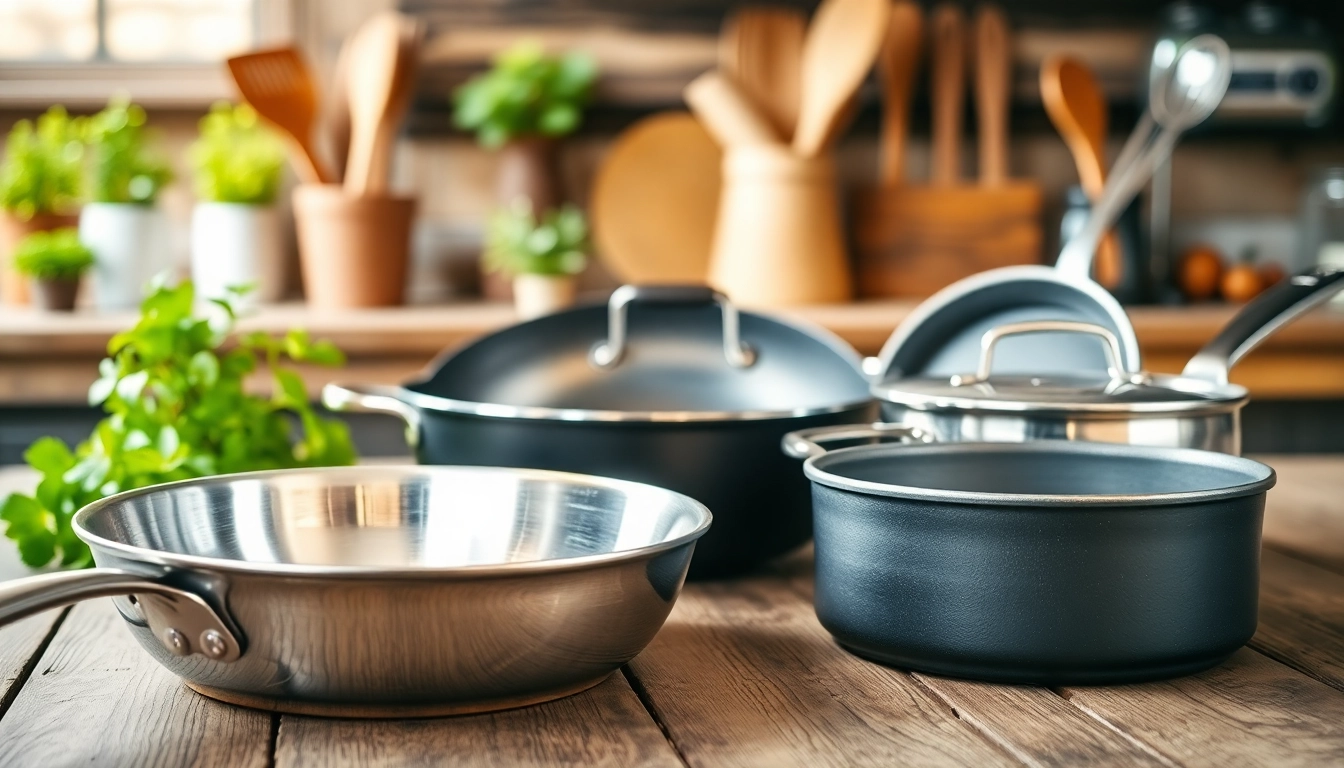
Choosing the right cookware is essential for any aspiring chef or home cook aiming to enhance their culinary skills. With a variety of materials and styles available, understanding the differences and the best practices for use can significantly impact your cooking experience. This comprehensive guide will explore the various types of cookware, important factors to consider when purchasing, best practices for cooking, reputable brands to consider, and frequently asked questions.
Understanding the Types of Cookware
1.1 Stainless Steel Cookware
Stainless steel cookware is renowned for its durability and resistance to rust and corrosion. This type of cookware is non-reactive, which means it won't alter the flavor of acidic or alkaline foods, making it ideal for a vast range of recipes. Premium stainless steel pieces often feature a core of aluminum or copper to enhance heat distribution, helping to achieve evenly cooked meals.
Additionally, many stainless steel options are dishwasher-safe and can endure high temperatures. They are perfect for searing, browning, and deglazing, making them a favorite among professional chefs and home cooks alike. Just ensure you choose high-quality 18/10 stainless steel for better performance.
1.2 Nonstick Cookware
Nonstick cookware simplifies cooking and cleanup processes. The nonstick coating prevents food from adhering to the surface, making it easier to cook delicate items like eggs and pancakes. This type of cookware is particularly useful for those who wish to reduce the amount of oil or fat in their cooking.
However, it's crucial to maintain nonstick cookware properly. Avoid using metal utensils that can scratch the coating, and hand wash instead of machine washing to prolong the life of the nonstick surface. Some brands also offer ceramic nonstick options that are perceived as more environmentally friendly and safer, as they are free from PTFE and PFOA.
1.3 Cast Iron Cookware
Cast iron cookware is celebrated for its heat retention and durability. Known for its characteristic black or enamel coating, cast iron excels in high-heat cooking methods like frying, searing, and baking. The even heat distribution makes it an excellent choice for tasks such as frying chicken or baking cornbread.
With proper care, cast iron cookware develops a natural nonstick surface over time, but it requires regular seasoning to maintain its effectiveness. This type of cookware is also versatile; it can be used on stovetops, in ovens, and even over campfires. However, it requires a bit more maintenance than other materials.
Factors to Consider When Purchasing Cookware
2.1 Material Quality
The quality of the material is one of the foremost factors to consider when purchasing cookware. High-quality cookware made from durable materials like stainless steel, anodized aluminum, or heavy-gauge copper can dramatically influence the cooking process and achieve the desired results. Cheap cookware often warps, heats unevenly, or can leach harmful chemicals into food.
Before purchasing, look for reputable brands and check customer ratings and reviews to assess product quality. Consider long-term investment as higher-quality items may be more expensive upfront but last far longer.
2.2 Heat Distribution
Effective heat distribution is vital for consistent cooking results. Cookware that heats unevenly can lead to hot spots, which can cause cooking mishaps, such as burning or undercooking specific areas of your meal. Materials like copper enhance heat conduction, offering better temperature control and responsiveness.
Cooking with materials designed for induction technology, like stainless steel with a magnetic base, can also improve energy efficiency. Ultimately, ensure that your chosen cookware matches your cooking style and methods.
2.3 Durability and Lifespan
When investing in cookware, consider its lifespan. Cookware that can withstand daily use without warping, staining, or scratching will provide better value over time. Review the warranty and guarantees offered by manufacturers, as these often reflect confidence in product durability.
Remember that proper care and maintenance can also prolong the life of your cookware. Regularly cleaning, seasoning where applicable, and following usage guidelines will help you maintain your investment effectively.
Best Practices for Cooking with Cookware
3.1 Preheating Techniques
A crucial aspect of cooking effectively is understanding how and when to preheat your cookware. Preheating is vital for almost all cooking methods, as it helps achieve ideal browning and cooking times. For stainless steel pans, preheat on medium heat before adding oil; for nonstick pans, make sure they are slightly heated before adding food.
Also, consider the type of food you are cooking. Foods with higher fat content tend to benefit from a well-preheated pan, which prevents sticking. However, be cautious, as overheating nonstick cookware may damage the coating.
3.2 Proper Cleaning and Maintenance
Proper cleaning and maintenance specific to each type of cookware will ensure longevity and performance. Most stainless steel can be hand washed or put in the dishwasher, while cast iron requires minimal soap and is often seasoned after washing.
For nonstick options, use a soft sponge to avoid scratching the coating and hand wash for optimal care. For enameled cast iron, avoid harsh scrubbers. Regularly inspect your cookware for chips or scratches, as these can compromise performance and safety.
3.3 Using the Right Utensils
Using appropriate utensils plays a significant role in maintaining the integrity of your cookware. Nonstick surfaces benefit from silicone or wooden utensils to prevent damaging the coating. For stainless steel and cast iron, metal utensils are acceptable, but be attentive to avoid scratching or chipping.
When choosing utensils, consider not only the material but also the shape. Ensure that spatulas and spoons fit comfortably within your pots and pans, optimizing ease of use and minimizing spills.
Top Cookware Brands to Consider
4.1 Performance Features
When shopping for cookware, pay close attention to performance features offered by various brands. Special features may include advanced heat conductivity, ergonomic handles, or compatibility with different cooking surfaces (like induction). Some brands provide enhanced finishes that offer additional resistance to wear and tear, contributing to longer-lasting quality.
Look for collections that provide versatility for your cooking needs, enabling you to tackle various culinary tasks effectively, from boiling to baking.
4.2 Customer Reviews and Ratings
Customer reviews and ratings can give insight into the performance of cookware. Evaluating feedback from other users helps gauge real-world efficacy and any potential issues with specific brands or products. Prioritize options with high ratings and detailed reviews outlining positive experiences post-purchase.
Consider visiting multiple platforms for reviews to obtain a well-rounded understanding of user opinions. This can also help identify any common issues presented by multiple customers.
4.3 Price Comparison
Comparing prices helps navigate your budget without sacrificing quality. While purchasing cookware may involve spending a bit more for high-quality items, it does not mean that you should avoid budget-friendly options entirely. Prices can vary significantly, and it's essential to identify the features you value most.
Take the time to research seasonal sales or discounts on reputable brands; you might find high-quality cookware at a price that aligns with your budget constraints.
Frequently Asked Questions about Cookware
5.1 What is the best type of cookware?
The best type of cookware depends on your cooking style. Stainless steel is versatile, nonstick is great for delicate foods, and cast iron excels in high-heat cooking.
5.2 How do I maintain my cookware?
Each type of cookware requires specific care. Hand washing, avoiding metal utensils on nonstick surfaces, and regular seasoning for cast iron can prolong lifespan.
5.3 What cookware is safe for induction cooktops?
Cookware made from magnetic materials like stainless steel or cast iron is suitable for induction cooktops. Confirm compatibility before purchasing.
5.4 Can I use metal utensils on nonstick cookware?
It's best to avoid metal utensils on nonstick cookware, as they can scratch and damage the coating. Use wooden or silicone tools instead.
5.5 How do I choose a cookware set?
Consider your cooking needs, material preferences, and budget. Look for versatile pieces that can serve multiple purposes, ensuring you select a set that fits your lifestyle.