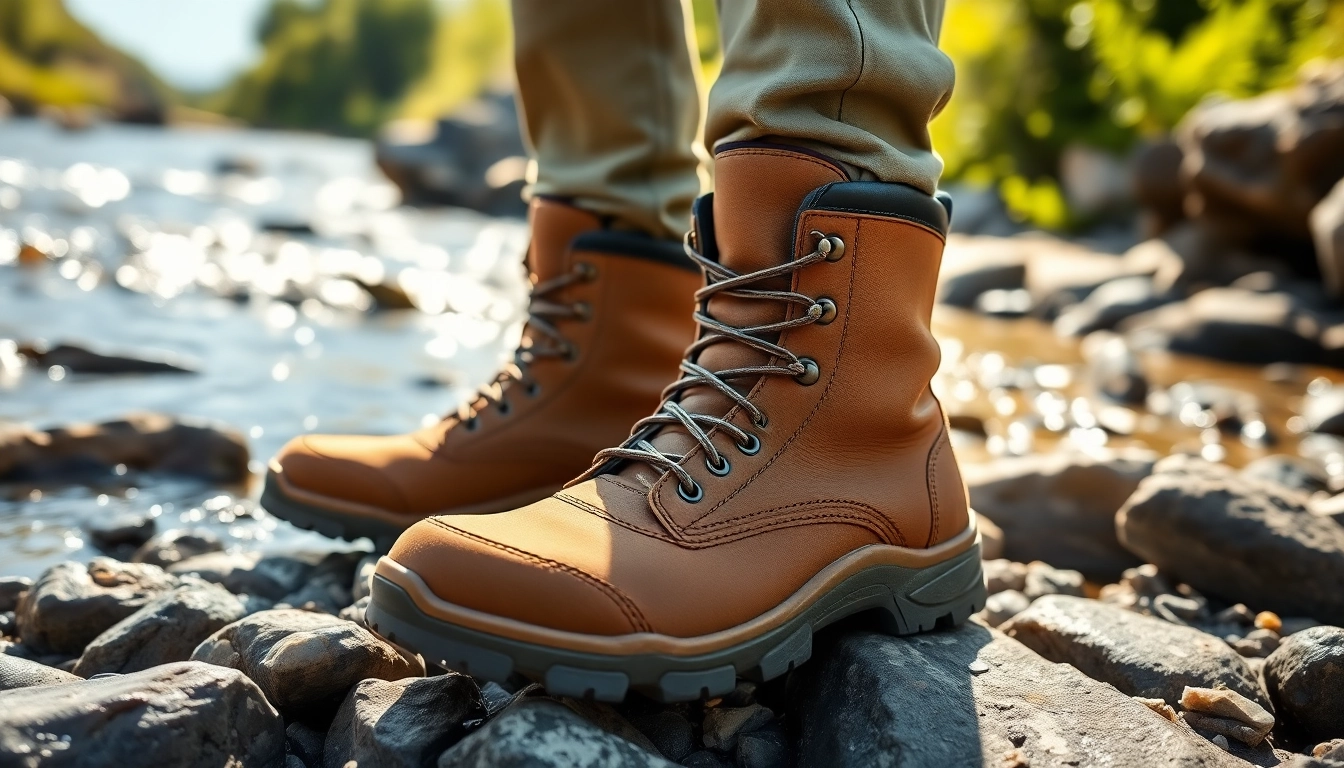
Understanding the Importance of Quality Fly Fishing Boots
Every angler knows that the right gear can make or break a fishing trip. Among the many essentials, fly fishing boots stand out as a crucial component for anyone serious about the sport. When you step into the water, the quality of your boots significantly affects your comfort, safety, and overall fishing experience. Whether you are wading through a cool stream or navigating rocky riverbeds, investing in high-quality fly fishing boots is paramount. This guide will explore the vital aspects of fly fishing boots, ensuring you make informed decisions for optimal performance.
Why Comfort Matters
Imagine standing in a river for hours, the chilly water lapping around your ankles. If your fly fishing boots lack cushioning and support, discomfort will quickly become a significant distraction. Comfort allows you to focus on your casting technique and the subtleties of the water, rather than the aches in your feet. Quality fly fishing boots provide essential arch support and padding, which can significantly reduce fatigue during long fishing sessions. Additionally, they help maintain your balance when navigating uneven or slippery surfaces, ultimately enhancing your overall experience.
Material Choices for Durability
The materials used in crafting fly fishing boots play a significant role in their durability and long-term performance. Opt for boots made from high-quality polymers, rubber, leather, or synthetic materials that offer both resistance to wear and waterproofing. Rubber soles with reinforcement prevent abrasion from sharp rocks, while breathable fabrics keep your feet dry from sweat buildup during warmer fishing days. These features not only extend the life of your boots but also ensure that they continue to perform effectively under challenging conditions.
Impact on Overall Fishing Experience
Quality fly fishing boots can transform your time on the water from a potential hassle into a joyful experience. They provide necessary grip on slippery surfaces, ensuring you can move confidently between casts. Additionally, they offer insulation and protection from harsh conditions like cold water temperatures and rugged terrain. When your feet are comfortable and secure, you can immerse yourself in the serenity of nature, increasing your chances of successfully landing the perfect catch.
Key Features to Look for in Fly Fishing Boots
Waterproofing Technologies
In the world of fly fishing, waterproofing is a non-negotiable feature. Look for boots equipped with advanced waterproof technologies such as Gore-Tex membranes or sealed seams that prevent water ingress while allowing moisture to escape. These technologies ensure your feet remain dry, preventing blisters and discomfort during long hours on the water.
Traction and Stability Enhancements
Traction is another essential aspect of fly fishing boots. Having a good grip is critical for safety when wading in flowing streams or rocky areas. Look for boots with rubber soles that feature a unique tread pattern designed to provide enhanced grip. Some models also come equipped with studded options, enhancing stability on slippery surfaces further. A solid footing allows for confident movements and minimizes the risk of slips and falls.
Weight Considerations for Outdoor Activities
When selecting fly fishing boots, consider their weight. Lightweight options allow for greater agility and easier movement, especially over long distances. However, don’t sacrifice durability for lightness; seek a balance that provides both comfort and sturdiness. Boots constructed with advanced materials can achieve this balance, ensuring you stay light on your feet while benefiting from robust features.
Top Styles of Fly Fishing Boots
Traditional vs. Modern Designs
Fly fishing boots come in a variety of styles, each catering to different needs. Traditional designs often focus on rugged durability, providing sturdy support in demanding environments. In contrast, modern designs incorporate innovative features like lighter materials and improved waterproofing, often resulting in enhanced comfort and versatility. Understanding your needs and preferences can help you select a pair that provides the best functionality for your fishing adventures.
Choosing Between High and Low Cut Options
When it comes to cut height, fly fishing boots typically fall into two categories: high cut and low cut. High cut boots offer additional support and protection for your ankles, making them ideal for rocky or unpredictable terrains. Conversely, low cut options provide more freedom of movement and are preferable in warm climates or when wading in shallower waters. Assess the environments where you'll be fishing most often to make an informed choice.
Evaluating Specialty Boots for Unique Environments
Some fishing environments may require specialized boots. For instance, if you fish in extremely cold climates, insulated boots will keep your feet warm and comfortable. Alternatively, boots designed with specific materials for saltwater fishing can withstand harsher conditions. Knowing the types of waters you frequent will guide you in selecting the appropriate boots tailored for those specific environments.
Care and Maintenance of Fly Fishing Boots
Cleaning and Drying Procedures
Maintaining the integrity of your fly fishing boots starts with proper cleaning. After each fishing trip, rinse your boots with fresh water to eliminate dirt, sand, and salt. Use a soft brush or cloth to scrub off any stubborn residue, then allow them to dry in a cool, shaded area—never expose them to direct sunlight or heat sources, as these can damage the materials.
Storing Your Boots Properly
Proper storage also extends your fly fishing boots' lifespan. Store them in a dry and cool environment to prevent mildew and odor buildup. Consider using boot trees or stuffing them with newspaper to help maintain their shape. Avoid leaving them in damp areas, as moisture can lead to material degradation over time.
Signs That It's Time to Replace Your Boots
No matter how well you care for your boots, wear and tear is inevitable. Be vigilant for signs it’s time to invest in a new pair, such as noticeable leaks, excessive tread wear, or a lack of structure that affects support. Regular inspections can help you identify these issues before they affect your fishing enjoyment.
Frequently Asked Questions about Fly Fishing Boots
What are the best materials for fly fishing boots?
The best materials include rubber, leather, and synthetic fabrics. Look for those that combine durability with waterproof properties to ensure comfort and longevity.
How often should I replace my fly fishing boots?
On average, you should replace your fly fishing boots every 1-3 years, depending on usage. Signs of wear, such as leaks or damaged soles, are good indicators for replacement.
Are all fly fishing boots waterproof?
No, not all fly fishing boots are waterproof. Always check the product specifications to ensure that the boots have waterproof technologies if you plan to wade in water.
Can I wear my fly fishing boots for other outdoor activities?
While designed for fishing, you can wear fly fishing boots for hiking or other water-related activities. Ensure they provide the necessary support and traction required for alternative uses.
What features enhance traction on slippery surfaces?
Traction-enhancing features include rubber soles with specialized tread patterns and studded options. These designs improve grip on wet or rocky surfaces, enhancing safety.