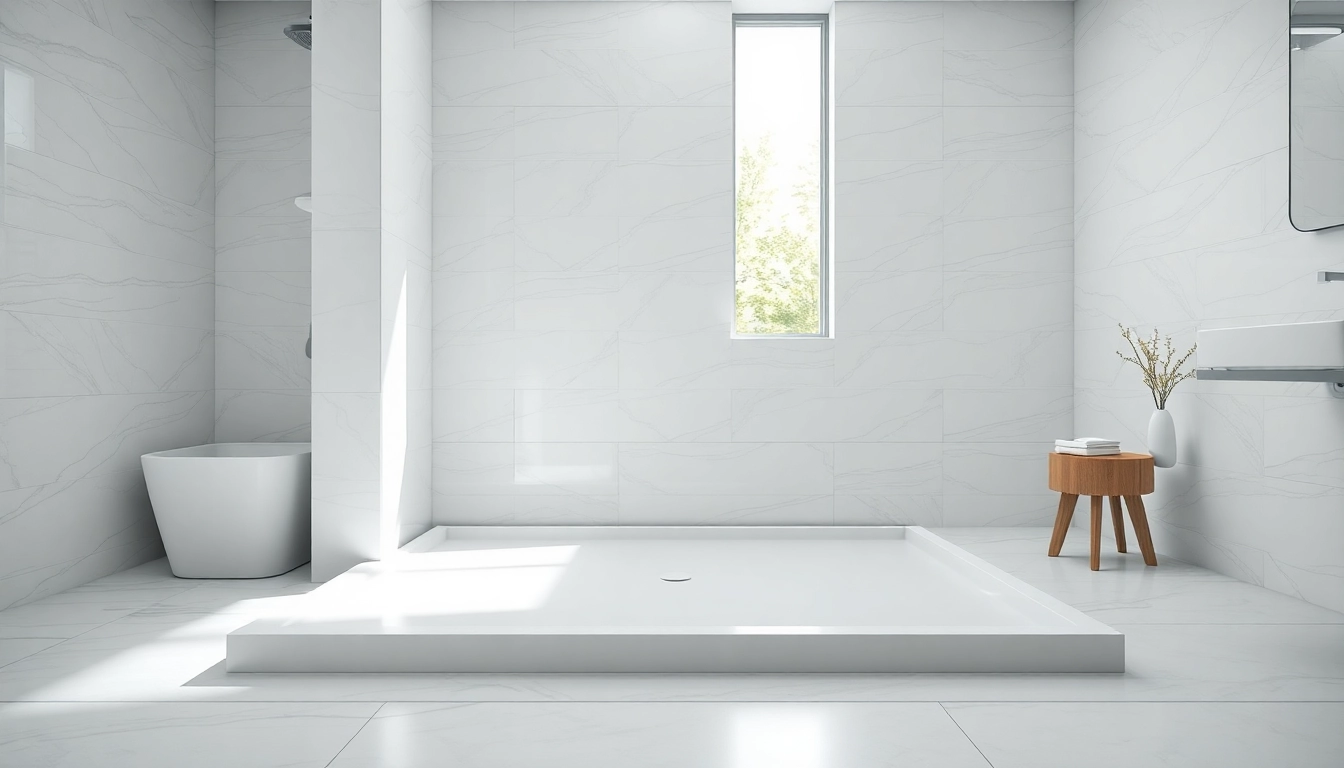
Understanding Shower Base Types
Choosing the right shower base can significantly influence the overall design and functionality of your bathroom. A shower base serves as the foundation for your shower installation and is available in various materials, shapes, and sizes. Understanding these elements will help you make informed decisions for your bathroom renovation or new build.
Different Materials for Shower Base
Shower bases can be crafted from a variety of materials, each offering distinct benefits and drawbacks. Below we examine the most common materials used in shower bases:
- Acrylic: Lightweight and easy to install, acrylic shower bases are typically a popular choice for homeowners. They are available in various styles and can mimic the appearance of other materials, making them versatile.
- Fiberglass: Similar to acrylic but less durable, fiberglass bases are cheaper options. However, they can wear down faster and may be prone to scratches and fading.
- Vitreous China: Commonly found in traditional bathrooms, vitreous china gives a clean look, though it can be heavy and challenging to install. Their glossy finish resists stains and is easy to clean.
- Stone and Granite: Offering a premium, natural look, stone and granite bases are durable and provide an elegant touch. However, they require sealing and can be more expensive due to material and installation costs.
- Concrete: Ideal for modern design, concrete shower bases can be poured to fit any space, allowing for custom shapes. They do require careful sealing to prevent water damage.
Shower Base Shapes and Sizes
The shape and size of your shower base will depend on your specific bathroom layout, design preference, and comfort:
- Square: Perfect for compact spaces, square bases provide symmetrical designs and are optimal for corner installations.
- Rectangle: These bases offer more room, making them suitable for both traditional and large, luxurious showers.
- Neo-Angle: Ideal for small bathrooms, these bases fit snugly into corners and save space while providing functionality.
- Custom Shapes: If you desire a unique layout, custom-shaped shower bases can be created to match your specific design requirements.
- Standard Sizes: Common standard sizes vary, but popular dimensions include 32" x 32", 36" x 36", and 48" x 36". Measure your bathroom to ensure a perfect fit.
Advantages of Each Shower Base Type
Each type of shower base comes with its own set of advantages:
- Acrylic: Lightweight, affordable, and easy to maintain, acrylic shower bases are great for quick renovations.
- Fiberglass: Generally the least expensive option, it works well for budget renovations but may have a shorter lifespan.
- Vitreous China: Resilient against stains and germs, making it easily cleanable; ideal for long-term usage.
- Stone and Granite: Their timeless aesthetic adds a luxury feel to your bathroom and increases property value.
- Concrete: Highly durable and customizable, ideal for modern designs and unconventional layouts.
Installation Tips for Your Shower Base
Proper installation of your shower base is crucial for long-lasting functionality and aesthetic appeal. Here are some essential tips:
Preparing the Bathroom Space
Before installation, preparation is key. Begin by ensuring that the existing plumbing and drain lines are accessible and functioning properly. You may also want to:
- Clear the area of all existing fixtures and obstructions.
- Level the floor with cement boards or buy a shower base that already has a built-in leveling system.
- Install any necessary framing or boards to support the new shower base during installation.
Step-by-Step Installation Process
Follow these steps to install your shower base efficiently:
- Place the shower base into the intended location, checking for level.
- Mark the drain location on the bathroom floor and make necessary adjustments if needed.
- Apply adhesive to the bottom of the shower base and carefully set it down.
- Attach the drain fittings as per the manufacturer's guidelines.
- Secure the base with screws or brackets if necessary, making sure it is stable.
- Once the base is installed, proceed with tiling or finishing the shower enclosure.
Common Mistakes to Avoid
Even experienced DIYers can encounter pitfalls during shower base installation. Avoid these common mistakes:
- Failing to level the shower base can lead to drainage issues.
- Neglecting to check drain alignment can result in leaks and improper drainage.
- Skipping adhesive can cause the shower base to shift over time.
- Forgetting to seal joints can lead to water damage and mold growth.
- Underestimating the importance of pre-existing plumbing capabilities can result in costly modifications.
Maintenance of Shower Bases
Regular maintenance of your shower base will prolong its life and enhance its appearance. Here are some essential maintenance tips:
Cleaning Guidelines for Different Materials
Cleaning methods vary based on the material of your shower base:
- Acrylic: Clean with mild soap and water; avoid abrasive cleaners.
- Fiberglass: Use a soft sponge and a mixture of vinegar and water to prevent scratches.
- Vitreous China: All-purpose cleaners work well, but avoid harsh chemicals that may dull the surface.
- Stone and Granite: Use a pH-balanced cleaner to maintain the integrity of the sealant.
- Concrete: Clean regularly and reseal every few years to protect from moisture.
Preventative Maintenance Tips
To minimize potential problems with your shower base:
- Regularly inspect for signs of cracks or deterioration.
- Keep grout lines sealed to avoid water seepage.
- Ensure proper ventilation in the bathroom to prevent mold growth.
- Address leaks immediately and keep plumbing in good condition.
- Sweep or rinse off debris before it has a chance to cause damage.
Signs Your Shower Base Needs Replacement
Watch for the following signs to determine if your shower base needs replacing:
- Cracking or Peeling: Visible damage is a strong sign that replacement is necessary.
- Rust or Corrosion: Presence of rust can suggest structural weaknesses.
- Leaking: Chronic leaks often indicate that the base has exceeded its lifespan.
- Mold Growth: Persistent mold can be a sign of moisture retention issues in the base.
- Unsightly Stains: Unremovable stains can hinder the overall bathroom aesthetics.
Choosing the Right Shower Base for Your Space
Your choice of shower base should reflect both your design goals and practical needs. Here’s how to make the right selection:
Evaluating Bathroom Size and Layout
Consider the square footage and layout of your bathroom when selecting a shower base:
- For small bathrooms, opt for compact or corner bases.
- In larger spaces, a rectangular base allows for more room and creativity in design.
- Assess the plumbing layout to determine feasible installation locations.
- Consider accessibility needs to ensure comfort and safety.
- Integrate the shower base into the visual flow of the bathroom for consistency.
Design Considerations for Shower Base
The design elements of your shower base can enhance the overall aesthetic of your bathroom:
- Match the style of your bathroom (e.g., modern, traditional) with the base's design.
- Consider color options that complement your overall color scheme.
- Choose textures carefully; smooth finishes look sleek, while textured surfaces add grip.
- Decide on the location of the drain; center drains can be flattering, while side drains can make cleaning easier.
- Integrate with other fixtures, such as sinks and toilets, for a cohesive look.
Budgeting for a Shower Base Installation
Budgeting is an essential aspect of any renovation. Here are a few key points to consider:
- Research material costs, as they can vary widely based on quality.
- Factor in installation expenses, whether you're hiring a contractor or doing it yourself.
- Account for associated costs like plumbing adjustments and tile work.
- Set aside a contingency fund for unexpected expenses.
- Compare price versus longevity; sometimes a more expensive option can save money in the long run.
FAQs About Shower Bases
What materials are best for a shower base?
Acrylic and granite are popular due to their durability. Fiberglass is budget-friendly, while stone offers luxury appeal. Consider your needs when choosing.
How do I properly clean my shower base?
Use a mild soap with warm water for most bases. Avoid harsh cleaners that can damage surfaces, and regularly wipe down to prevent buildup.
What size shower base is right for my bathroom?
Consider your bathroom dimensions. Popular sizes include 32” x 32”, 36” x 36”, and custom options for larger spaces. Measure carefully for the best fit.
Can I install a shower base myself?
Yes, if you have basic DIY skills. Follow manufacturer instructions, but ensure plumbing and leveling are handled correctly for best results.
How to choose between a tiled and pre-fabricated shower base?
Pre-fabricated bases offer quick installation and fewer seams, while tiled bases allow for custom designs but require more maintenance and skill.