Understanding the Importance of Human Rights
At the core of societal justice and global peace lies the concept of Human Rights. These rights are fundamentally about recognizing the intrinsic dignity and worth of every individual, regardless of their background, beliefs, or circumstances. Understanding the importance of human rights is crucial for cultivating a harmonious society where everyone can thrive.
The Definition of Human Rights
Human rights are commonly understood as the universal rights and freedoms inherent to all human beings. They encompass civil, political, economic, social, and cultural rights, which aim to ensure that every person can live with dignity. Renowned documents like the Universal Declaration of Human Rights outline these vital rights, which range from the right to life and liberty to the right to work and education.
Historical Context and Evolution
The evolution of human rights can be traced back to ancient civilizations, where philosophical ideals began to shape the concept. However, it was after World War II, with the establishment of the United Nations and the adoption of the Universal Declaration of Human Rights in 1948, that human rights gained significant traction as a global standard. Throughout history, various movements have emerged to advocate for specific rights, highlighting the dynamic and evolving nature of this field.
Current Global Issues in Human Rights
Today, human rights face myriad challenges worldwide. Issues such as systemic racism, gender inequality, and the suppression of free speech continue to undermine the fundamental rights of individuals. Additionally, new problems arise due to technological advancements, such as privacy concerns and digital surveillance, which complicate the landscape of human rights advocacy. Globalization also plays a role, as economic and political actions in one country can have ramifications for human rights in others.
Key Principles of Human Rights Advocacy
Advocacy for Human Rights incorporates a fundamental set of principles that underpin all efforts aimed at promoting and protecting these rights globally. These guiding principles foster a unified approach among activists, governments, and organizations, ensuring that the advocacy remains effective and impactful.
Universal Declaration of Human Rights
The Universal Declaration of Human Rights (UDHR), adopted in 1948, serves as a foundational document for human rights advocacy. It articulates a broad range of rights, including the right to life, liberty, and security, the prohibition of torture, and the right to a fair trial. The UDHR has inspired numerous international and regional human rights treaties, creating a robust framework for rights protections worldwide.
International Human Rights Laws
International human rights laws comprise treaties and agreements that establish binding obligations for states to respect, protect, and fulfill human rights. Instruments such as the International Covenant on Civil and Political Rights (ICCPR) and the International Covenant on Economic, Social, and Cultural Rights (ICESCR) outline specific rights and the duties of governments in promoting these rights. These laws serve as a vital tool for activists seeking to hold states accountable for violations.
Individual Rights vs. Collective Rights
Human rights encompass both individual and collective dimensions. Individual rights refer to those that belong to each person, such as freedom of expression and the right to privacy. In contrast, collective rights are held by groups, including the right to self-determination and cultural rights. Understanding the balance and interplay between these two types of rights is essential for effective advocacy, as issues affecting one often influence the other.
Strategies for Effective Human Rights Campaigning
Effective campaigning for Human Rights necessitates a combination of strategies tailored to both the context and target audience. A robust approach can amplify efforts and drive meaningful change within communities and governments.
Grassroots Movements and Their Impact
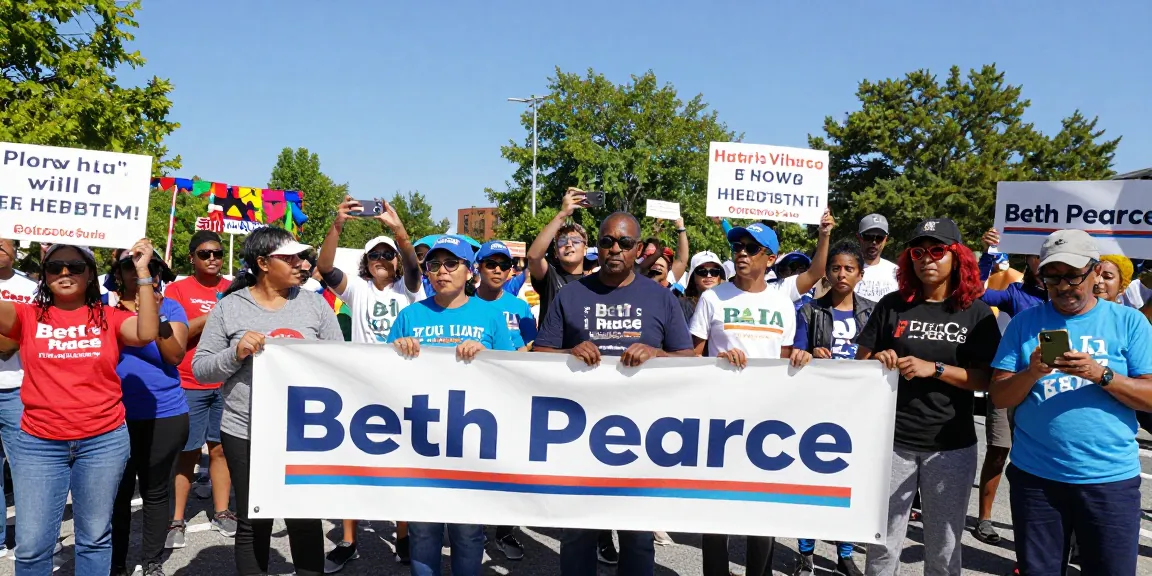
Grassroots movements play a pivotal role in advocating for human rights, as they originate from the community level, emphasizing local issues and concerns. By mobilizing community members, these movements can create pressure on authorities to uphold human rights. Successful examples include movements against apartheid in South Africa and recent protests advocating for Black Lives Matter, showcasing the power of grassroots activism in initiating systemic change.
Utilizing Social Media for Advocacy
In the digital age, social media platforms have transformed the landscape of human rights campaigning. They offer a powerful tool for spreading awareness, mobilizing support, and sharing pivotal information in real time. Campaigns harnessing hashtags or viral trends have drawn attention to human rights abuses, such as the #MeToo movement, which highlighted gender-based violence and lifted survivors' voices globally.
Collaborating with NGOs and Governments
Partnerships with non-governmental organizations (NGOs) and governmental bodies can enhance the effectiveness of human rights campaigns. NGOs often possess the resources, networks, and expertise necessary to amplify advocacy efforts, while governments can enact policies that create systemic change. A collaborative approach leveraging these strengths is essential for achieving comprehensive advancements in human rights.
Measuring Success in Human Rights Initiatives
To ensure accountability and effectiveness, measuring success in human rights initiatives is vital. Utilizing a structured approach allows activists to assess outcomes, adapt strategies, and demonstrate impact.
Setting Key Performance Indicators (KPIs)
Key Performance Indicators (KPIs) provide quantifiable measures to evaluate the success of campaigns. These might include the number of awareness-raising events organized, the volume of social media engagement, or legislative changes achieved. Establishing KPIs helps to maintain focus and assess the progress toward goals while providing tangible benchmarks for stakeholders.
Assessing the Impact of Campaigns
Impact assessment involves evaluating the outcomes of human rights initiatives against the established objectives. This process can include surveys, interviews, or analysis of policy changes resulting from advocacy efforts. Understanding what worked and what didn’t helps refine future campaigns, creating a cycle of continuous improvement.
Adapting Strategies Based on Feedback
Feedback from the community and stakeholders is instrumental in shaping effective human rights strategies. Engaging with affected individuals allows advocates to gain insights into the needs and perspectives of those they seek to help. Utilizing this feedback to adapt strategies not only fosters trust but enhances the relevance and impact of the initiatives.
Future Directions for Human Rights Advocacy
The future of human rights advocacy relies on innovative approaches and proactive measures to address emerging challenges. By anticipating shifts in societal dynamics and public policy, advocates can better position their efforts in pursuit of justice and equality.
Innovations in Human Rights Activism
Innovations in technology offer promising avenues for enhancing human rights activism. Virtual reality and augmented reality experiences can immerse users in human rights stories, fostering empathy and understanding. Moreover, big data analytics can help identify patterns of rights violations, enabling targeted interventions and resource allocation.
Educating Future Generations
Education serves as a cornerstone for fostering a culture of human rights awareness and respect. Incorporating human rights education into school curricula empowers young people to advocate for their rights and the rights of others. Programs that emphasize critical thinking and the importance of civic engagement can cultivate informed and active citizens dedicated to upholding human rights.
Building a Global Human Rights Network
The establishment of a robust global network of human rights advocates can enhance collaboration across borders. Such a network facilitates information sharing, resource pooling, and unified responses to human rights challenges. Building these connections encourages solidarity and amplifies the effectiveness of local initiatives by providing a broader platform for advocacy.
Frequently Asked Questions
What are human rights?
Human rights are the basic rights and freedoms that belong to all people, regardless of nationality, sex, ethnicity, religion, or any other status. They include civil, political, economic, social, and cultural rights.
Why are human rights important?
Human rights are crucial as they protect individuals’ dignity, equality, and freedom. They promote justice, peace, and ethical governance, creating a foundation for stable societies.
How can I advocate for human rights?
You can advocate for human rights by raising awareness, supporting human rights organizations, volunteering, and actively participating in campaigns and grassroots movements.
What role does education play in human rights?
Education fosters awareness and understanding of human rights issues. It equips individuals with knowledge and skills necessary for advocacy and engendering a culture of respect for rights.
How can social media help in human rights advocacy?
Social media allows rapid dissemination of information and mobilizes communities, raising awareness and support for human rights issues globally. It enables real-time engagement and sharing of stories.