Introduction to Bitcoin Mining
Bitcoin mining is a fundamental process that supports the integrity and security of the Bitcoin network. By solving complex mathematical problems, miners validate transactions and maintain the blockchain, the decentralized ledger that records all transactions made with Bitcoin. In recent years, the landscape of bitcoin mining has evolved significantly, with advancements in technology, changes in regulatory frameworks, and increased awareness of environmental impacts shaping the industry's future. This guide will delve deep into the mechanics of Bitcoin mining, its profitability, and the emerging trends that will influence its trajectory in 2025 and beyond.
What is Bitcoin Mining?
At its core, Bitcoin mining is the process of adding transaction records to Bitcoin's public ledger, known as the blockchain. This decentralized approach ensures that the network is secure and that all transactions are verified. Miners use powerful computers to solve intricate mathematical puzzles, and when they successfully solve a problem, they add a new block of transactions to the blockchain. In return for their efforts, miners are rewarded with newly minted bitcoins, which incentivizes them to continue their work.
The Importance of Mining in Cryptocurrency
Mining is essential for the functioning of Bitcoin and many other cryptocurrencies. It not only secures the network but also allows for new coins to enter circulation. Furthermore, mining serves as a decentralized method of maintaining the ledger, as it discards the need for a central authority. This decentralization is a key tenet of cryptocurrencies, promoting transparency and reducing the risk of fraud.
Key Components of Bitcoin Mining
Several critical components influence the mining process:
- Mining Hardware: The type of hardware used can significantly impact a miner's profitability. ASIC (Application-Specific Integrated Circuit) miners are the most common due to their efficiency.
- Mining Software: This software helps miners connect to the blockchain network and manage their mining activities.
- Mining Pools: Many miners join forces in pools to increase their chances of earning rewards, sharing both the responsibilities and the profits.
How Bitcoin Mining Works
Understanding how Bitcoin mining works is essential for anyone looking to participate in this space. The mining process entails several steps that combine both hardware and software components.
Mining Hardware Explained
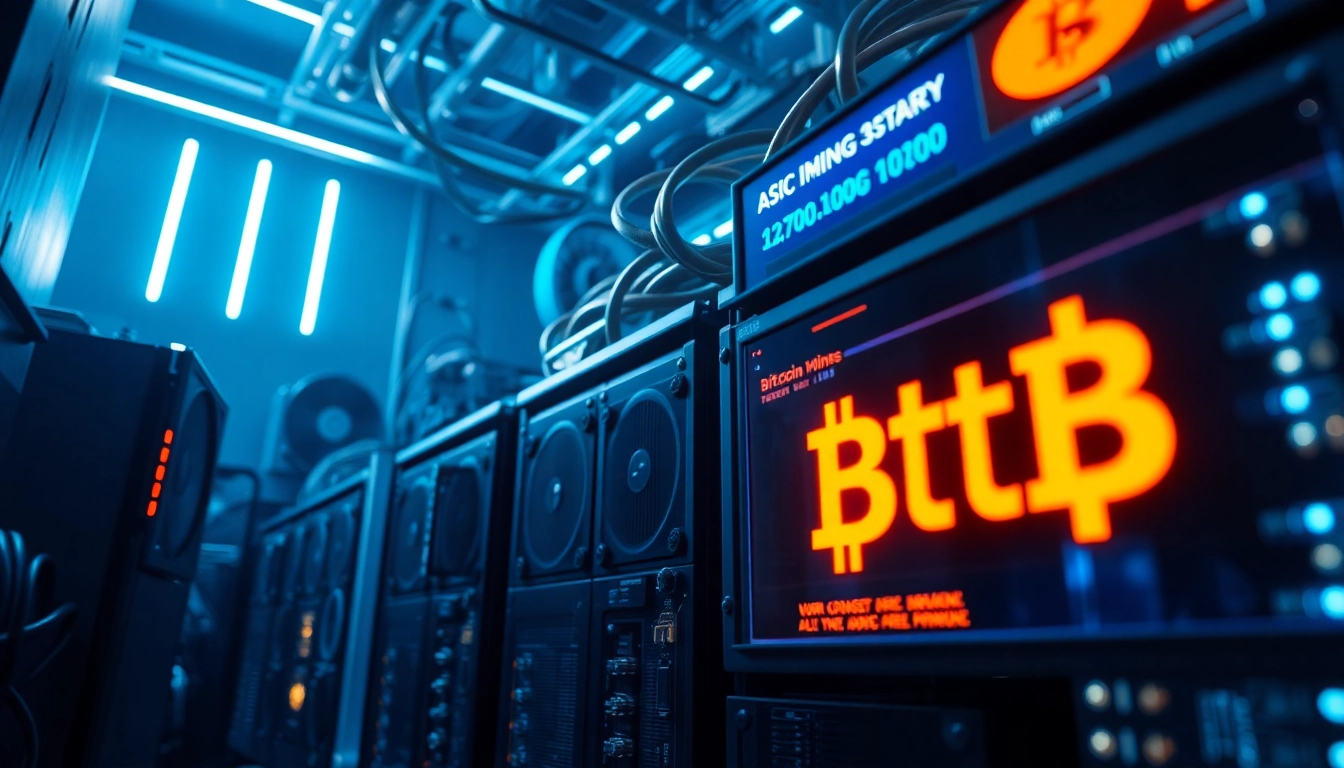
The choice of mining hardware is crucial for efficiency and profitability. Modern ASIC miners, such as the Bitmain Antminer or the MicroBT Whatsminer, are designed specifically for cryptocurrency mining. Their specialized architecture allows them to perform hashing calculations at incredibly high speeds compared to traditional CPUs or GPUs. When selecting hardware, considerations include hash rate, energy consumption, and overall cost.
Mining Software: Choosing the Right Tools
Mining software connects miners to the blockchain and provides tools for monitoring performance. Popular options include CGMiner and BFGMiner, which offer various features for different types of hardware. Choosing the right software can optimize the mining process, improve efficiency, and offer better control over hardware operations.
The Role of Mining Pools
Mining pools are collaborative groups of miners who combine their resources to increase the chances of solving blocks. By participating in a mining pool, individuals can achieve more consistent payouts. Pools distribute rewards based on the mining contributions of each member, thereby democratizing the mining process and making it more accessible to individual miners.
Profitability of Bitcoin Mining
Mining can be an expensive activity, and understanding profitability is essential for potential miners. Several factors influence how much a miner can earn.
Factors Affecting Mining Profitability
Several key factors affect the profitability of Bitcoin mining, including:
- Electricity Costs: Mining consumes a significant amount of power. Regions with lower electricity costs can offer better profit margins.
- Bitcoin Price: The market price of Bitcoin directly affects profitability. Higher prices generally lead to higher earnings.
- Mining Difficulty: This adjusts approximately every two weeks based on the total computing power of the network. Higher difficulty means more computational work is required to solve blocks, impacting potential earnings.
Calculating Potential Earnings from Mining
Miners can calculate their potential earnings using mining calculators, which take into account hardware hash rate, electricity costs, and current Bitcoin prices. These tools help prospective miners evaluate whether their operations would be financially viable.
Common Pitfalls to Avoid
While mining can be profitable, it's essential to avoid common pitfalls such as:
- Investing in inefficient hardware
- Neglecting to calculate electricity costs
- Overlooking pool fees and payment structures
The Environmental Impact of Bitcoin Mining
As Bitcoin mining has grown, so too have concerns about its environmental impact. The energy-intensive nature of the process raises questions about sustainability and climate change.
Energy Consumption and Sustainability
Bitcoin mining operations consume substantial amounts of energy globally, leading to increased carbon emissions in regions reliant on fossil fuels. According to some estimates, Bitcoin mining could contribute to rising global temperatures if the energy consumption continues to grow unchecked.
Innovative Solutions to Minimize Impact
In response to environmental concerns, some miners are adopting cleaner energy sources, such as solar, wind, and hydroelectric power. Innovations in cooling technology and energy efficiency are also being explored to reduce the overall carbon footprint of mining operations.
Future of Eco-Friendly Mining Practices
As the industry matures, the push for more sustainable mining practices is expected to grow. Regulatory pressures and consumer preferences for environmentally conscious solutions could lead miners to prioritize eco-friendly methods.
Trends in Bitcoin Mining for 2025
Looking ahead, several trends are shaping the future of Bitcoin mining.
Emerging Technologies in Mining
Advances in hardware technology, such as more efficient ASIC miners and the integration of AI for optimization, are expected to change the mining landscape. Additionally, developments in blockchain technology may enhance transaction speeds and reduce energy consumption.
Regulatory Changes and Implications
Governments worldwide are beginning to impose regulations on cryptocurrency mining, focusing on environmental impacts and financial compliance. Staying informed about these changes will be essential for miners to navigate potential legal pitfalls.
The Future of Mining and Cryptocurrency Markets
The cryptocurrency market is in constant flux, and the future success of Bitcoin mining will likely depend on a combination of technological advancements, regulatory frameworks, and market dynamics. Miners who adapt quickly to these changes will be better positioned to succeed in this evolving landscape.