Understanding the Basics of Fly Fishing for Bass
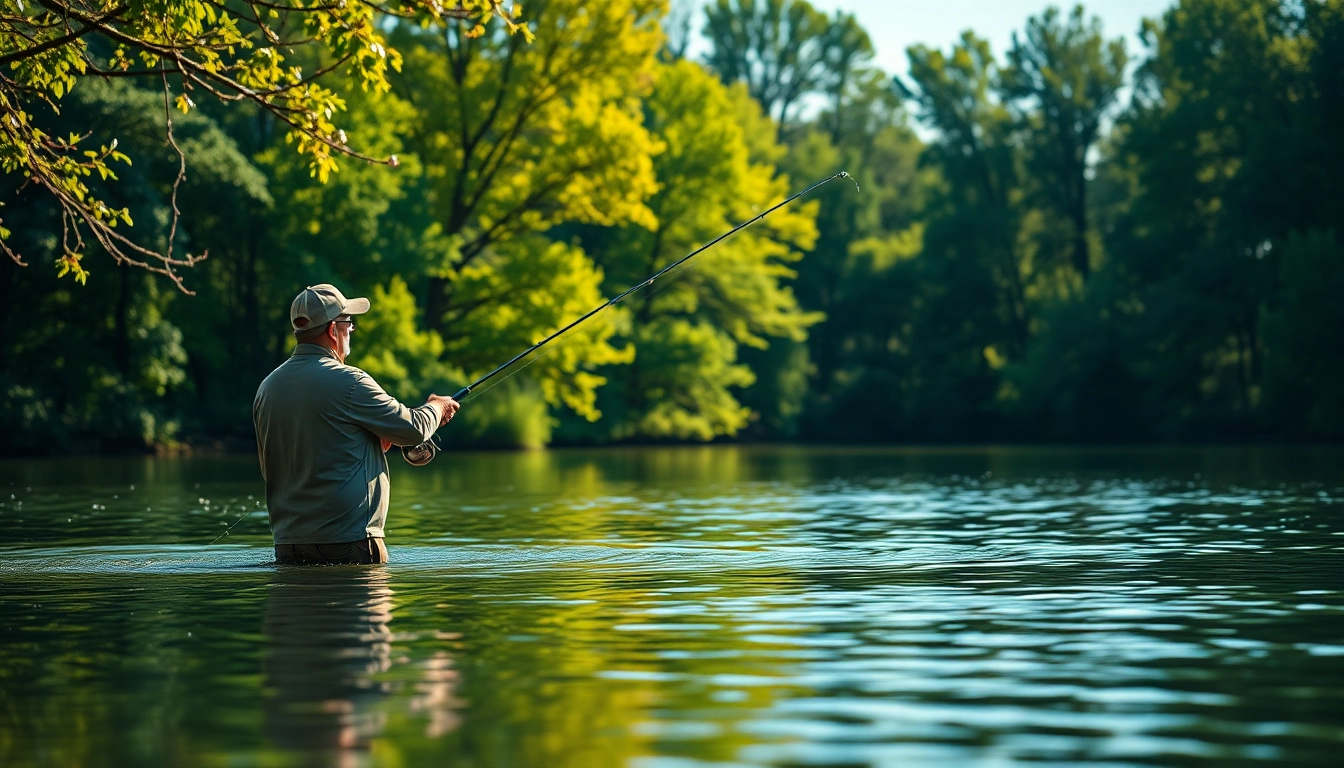
Fly fishing, while often associated with trout, has gained immense popularity among anglers seeking the thrill of catching bass. This captivating sport offers unique challenges and rewards, allowing enthusiasts to connect with nature while developing their skills. To embark on this journey, it’s essential to start with a solid understanding of the basics. The key lies in recognizing what makes bass an ideal target and equipping oneself with the right tools and techniques. For beginners delving into fly fishing for bass, this foundation can set the stage for success and enjoyment.
What Makes Bass Ideal for Fly Fishing?
Bass are often regarded as a premier game fish due to their aggressive feeding behavior, size, and year-round accessibility. The two primary species targeted by fly anglers are the largemouth bass and smallmouth bass. Largemouth bass, often found in warm, weedy waters, exhibit fierce strikes and strong fights, making them a favorite among fly fishermen. Smallmouth bass, on the other hand, tend to inhabit cooler, rocky waters and offer their own exhilarating challenges.
The versatility of bass fishing is another appealing aspect. They will strike various bait types, especially during their active periods, which aligns perfectly with the practice of fly fishing. Anglers can use a range of techniques to mimic their natural prey, such as insects, minnows, and baitfish, thus adapting methods effectively based on conditions, location, and time of year.
Essential Gear for Fly Fishing Success
Proper gear is vital when fly fishing for bass. Here are the fundamental components:
- Fly Rod: A medium to heavy-weight fly rod (5-8 weight) is ideal for bass, providing the backbone required for casting larger flies and handling stronger battles.
- Fly Reel: A durable reel with a smooth drag system is essential, as bass can make powerful runs.
- Line: Use weight-forward floating fly line, which aids in casting larger flies, while a sinking line is beneficial when targeting depths.
- Leader and Tippet: A stronger fluorocarbon or nylon leader (around 10-15 lbs test) allows for abrasion resistance against weeds and rocks found in bass habitats.
- Flies: Having a varied selection of bass flies, from poppers to streamers, is crucial for adapting to different fishing scenarios.
Top Techniques for Effective Fly Fishing for Bass
Mastering a variety of techniques is essential for improving your angling success. For bass, effective fly fishing requires both skill and an understanding of the environment.
Casting Techniques to Improve Accuracy
Accuracy in casting is critical, particularly in bass fishing, where precision can mean the difference between catching a fish or frightening it away. The roll cast, double haul, and shooting line techniques can help maximize distance and accuracy. Beginners should practice these techniques on land before heading into the water to develop muscle memory.
Reading Water: Where to Find Bass
Understanding where to find bass is key to successful outings. Look for structures like logs, weeds, rock piles, and drop-offs, as these are prime spots for ambush predation. Observing the water conditions—such as temperature and flow—can also provide clues. Bass like warmer waters, particularly in spring and summer, which makes shallow bays and areas near the shore more appealing during these times.
Seasonal Strategies for Bass Fly Fishing
Each season presents distinct opportunities and challenges when fly fishing for bass. Spring is often considered the best time for bass as they spawn; spawning locations include shallow flats and backwaters. Summer fishing may require early morning or late evening tactics to take advantage of cooler temperatures. Fall sees bass feeding heavily to prepare for winter, and winter tactics can shift focus onto deeper waters where bass remain active.
Best Locations for Fly Fishing for Bass in the U.S.
The United States boasts an array of exceptional bass fishing locations, each offering unique environments and fishing experiences.
Popular Lakes and Rivers
Some renowned fishing spots include:
- Lake Okeechobee, Florida: This expansive lake is famous for its large bass and abundant cover.
- Lake Erie: A hotspot for both largemouth and smallmouth bass, particularly along its rocky shores.
- Potomac River, Maryland/Virginia: Known for its diverse habitats that provide excellent opportunities for fly fishing enthusiasts.
Choosing Your Fishing Spot Based on Time of Year
The time of year can significantly influence bass behavior and location. During the pre-spawn and spawn seasons in spring, shallow waters become the primary targets. In the summer heat, moving deeper and focusing on shaded areas or structure often pays off. Meanwhile, fall stratification leads to a rush of feeding activity, favoring shallow edges again.
Access Tips for Remote Fishing Locations
Remote fishing spots often provide pristine fishing experiences. However, reaching these locations can be challenging. Consider using float tubes or kayaks for better access to secluded areas, and always ensure you have the right permits and knowledge about local regulations. Preparing for varying conditions, like swift water or dense vegetation, is crucial for a successful outing.
Advanced Strategies for Seasoned Fly Fishermen
For those who have honed their fly fishing techniques, advanced strategies can enhance your success when targeting bass.
Adapting Techniques to Changing Conditions
Weather and water conditions can change quickly, necessitating adaptability. For example, cloudy days can push bass into shallower waters, while bright sunny days may require deeper presentations. Water clarity can also dictate which colors and types of flies will be effective, making it crucial to adjust your approach based on these factors.
Using Technology to Enhance Your Fishing
Modern technology can augment the fly fishing experience significantly. Tools like fish finders can provide insights into underwater structures and fish locations, while apps can help track weather conditions, moon phases, and water temperatures. Additionally, learning to use drones for scouting remote areas can lead to discovering new fishing opportunities.
Tracking and Analyzing Your Catch Data
Keeping a record of your fishing experiences can provide valuable insights into patterns over time. Utilize digital tools or apps that allow you to log details of your catches, including locations, conditions, and fly types used. Analyzing this data can help you understand which techniques work best under certain conditions, enabling you to improve your overall success rate.
Community and Resources for Fly Fishing Enthusiasts
Joining a community of fellow fly fishers can significantly enrich your fly fishing journey. Networking with others can provide new tips, accessible spots, and shared experiences.
Local Clubs and Organizations for Networking
Many geographical areas have local clubs dedicated to fly fishing. These organizations often host events, workshops, and guided outings geared towards both novices and experienced anglers. Becoming a member can also provide exclusive access to private waters or clubs that focus on sustainability and conservation in fishing practices.
Online Forums and Educational Resources
Numerous platforms and online forums exist where enthusiasts can exchange knowledge. These forums can be great resources for learning about new techniques, discussing gear, or sharing local hotspots. Educational resources, including webinars, instructional videos, and podcasts, can further aid in sharpening your fishing acumen.
Events and Competitions to Participate In
Competing in fly fishing tournaments can elevate your skills and connect you with like-minded individuals. Various events, ranging from local competitions to national tournaments, offer the chance to test your skills while potentially winning prizes. These gatherings often encourage friendly competition and camaraderie among anglers.