Understanding Ceramic Window Tint
What Is Ceramic Window Tint?
Ceramic window tint is a high-performance product designed to provide superior heat rejection and UV protection compared to traditional window films. Made from a combination of ceramic nanotechnology and synthetic materials, this type of tint contains no metal, contributing to its effectiveness and durability. The unique properties of ceramic particles allow it to block a significant amount of infrared light while remaining highly transparent, making it a preferred choice for automobile owners seeking comfort and aesthetics.
Key Features of Ceramic Window Tint
- Heat Rejection: Ceramic window tint is known for its excellent heat rejection capabilities, reducing the amount of interior heat and making vehicles more comfortable during hot weather.
- UV Protection: This tint blocks up to 99% of harmful UV rays, safeguarding you and your vehicle’s interior from fading and damage.
- Non-Metallic: Unlike metallic window films, ceramic tints do not contain metal, eliminating interference with electronic devices like GPS and mobile signals.
- Durability: Ceramic tints are engineered to resist scratches, fading, and color changes over time, which enhances their longevity.
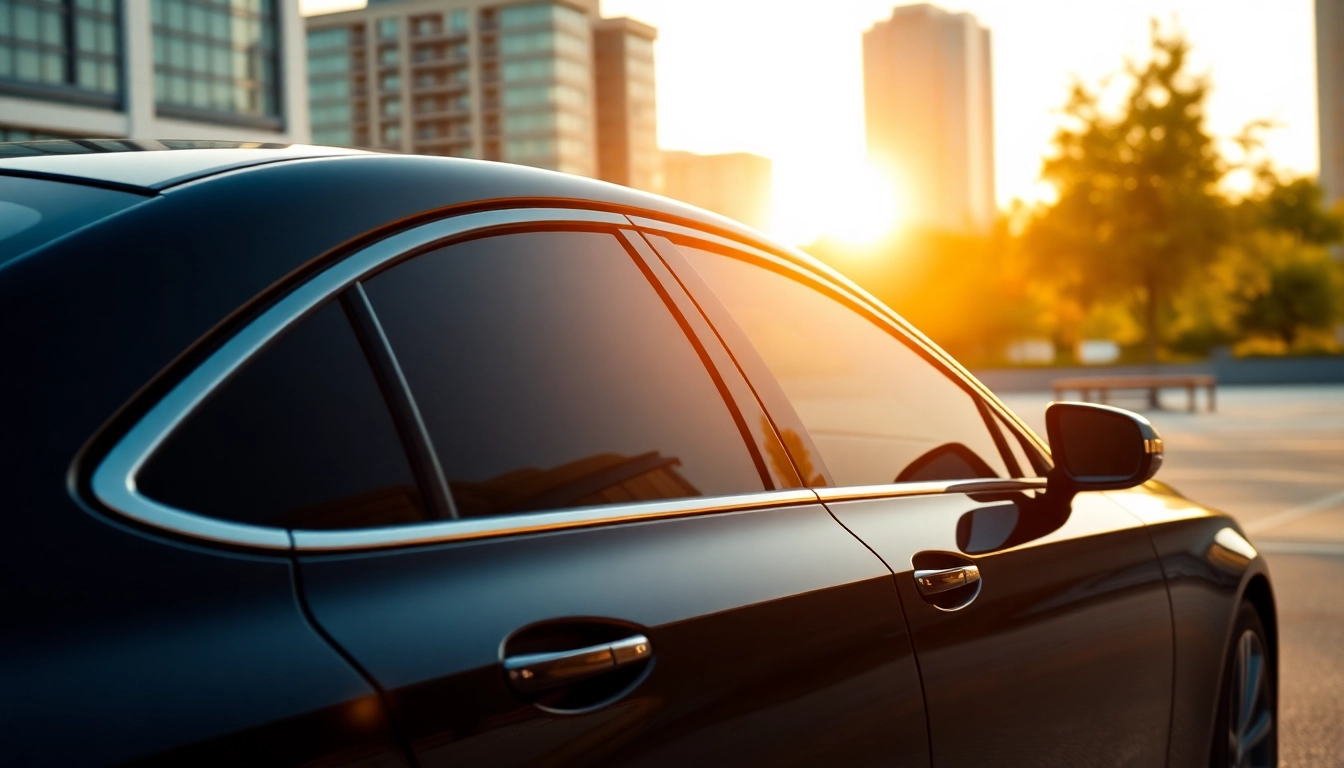
- Aesthetics: They offer a clear, high-end appearance without the mirrored effect seen in some other tint types, which appeals to many vehicle owners.
Benefits of Using Ceramic Window Tint
The use of ceramic window tint extends beyond aesthetics. Here are some of the most compelling benefits:
- Enhanced Comfort: By reducing excessive heat, ceramic window tint ensures a more enjoyable driving experience, preventing the interior from becoming stifling.
- Energy Efficiency: By keeping vehicles cooler, this tint can reduce reliance on air conditioning, which in turn improves fuel efficiency.
- Skin Protection: With its robust UV protection, ceramic window tint provides an extra layer of defense against skin damage caused by sun exposure during long drives.
- Privacy and Security: Offering a level of privacy, ceramic tints also help secure valuable items inside a vehicle from prying eyes.
- Improved Visibility: Despite the heat and UV blocking capabilities, ceramic window tint does not compromise visibility, ensuring a safe driving experience.
Comparing Window Tint Options
Ceramic vs. Standard Window Tint
Standard window tint, often made from dyed polyester, generally provides basic UV protection and a modest reduction in heat. However, it falls short compared to ceramic options in terms of performance. While standard tint can degrade over time and may not effectively block heat, ceramic tint utilizes advanced technology for superior heat and UV rejection, maintaining its effectiveness over years of use.
Ceramic vs. Metallic Window Tint
Metallic window tint offers good heat rejection but comes with downsides such as potential interference with electronic devices. In contrast, ceramic window tint excels in blocking infrared rays without any metallic components, ensuring that electronic signals are unaffected. Additionally, metallic tints can reflect more light, offering a more mirrored appearance, while ceramic maintains clarity.
Choosing the Right Tint for Your Needs
Finding the ideal window tint involves considering various factors including climate, driving habits, and personal preferences. If you live in a hotter climate or plan to use your vehicle often during sunny conditions, ceramic window tint is an excellent choice for optimal temperature control and UV protection. For those looking for simple aesthetic changes without the safety and protection benefits, standard tint may suffice. Always assess your specific needs to make the best choice.
Installation Process for Ceramic Window Tint
Selecting a Professional Installer
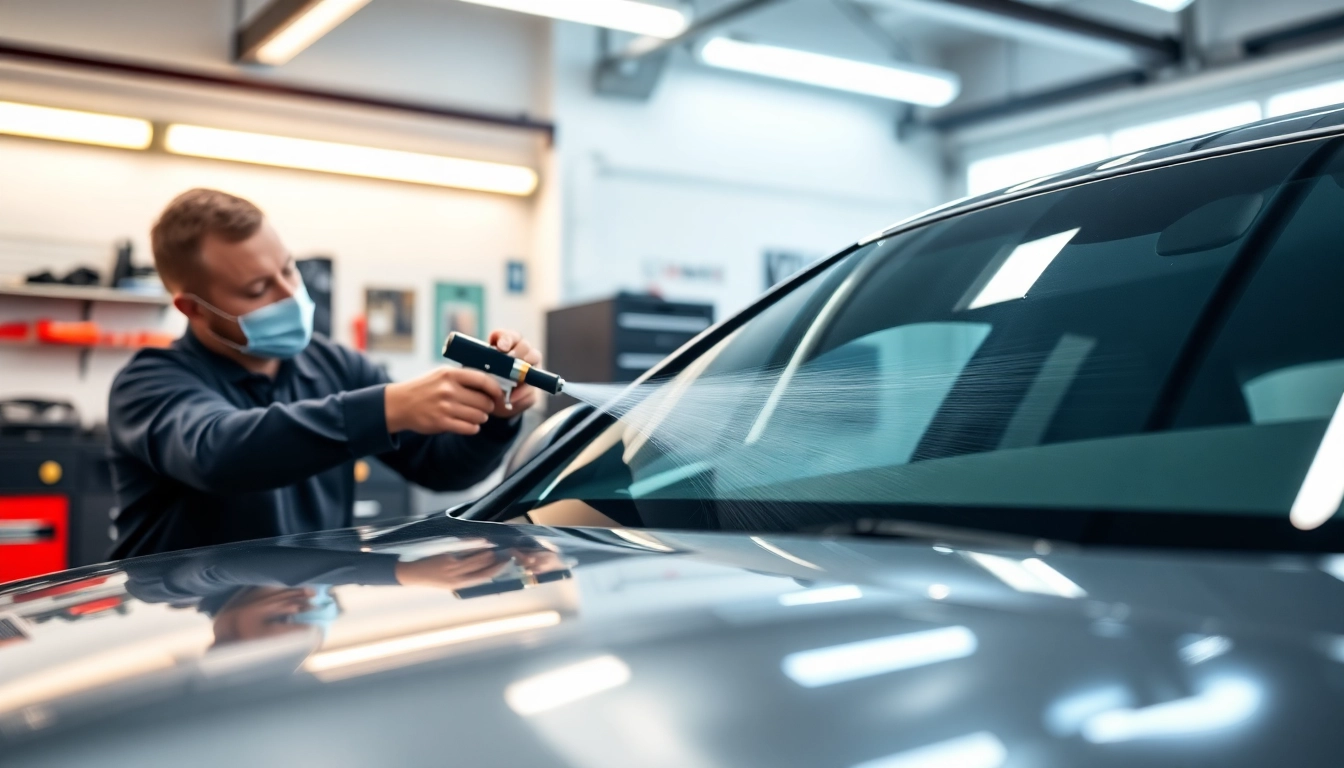
Choosing a professional installer is crucial for ensuring that your ceramic window tint is applied correctly and looks great. Start by researching local professionals with experience in ceramic films. Look for customer reviews and examples of previous work. A quality installation can significantly affect the performance and longevity of the tint.
DIY Tips for Ceramic Window Tint Application
For those inclined to consider DIY installation, ensure you have all necessary tools and materials, including a squeegee, utility knife, and cleaning supplies. Start by thoroughly cleaning the windows to remove dirt and grime, as this is crucial for adherence. When applying, work slowly to eliminate air bubbles and ensure the film fits your window precisely. Remember, however, that DIY installation can compromise the warranty or performance of the tint.
Common Mistakes to Avoid During Installation
Several common mistakes can undermine the effectiveness of ceramic window tint:
- Not cleaning the glass surface adequately before installation.
- Applying the film in direct sunlight, which can lead to difficulties in handling the material.
- Ignoring manufacturer guidelines regarding temperature and curing times.
- Failing to use the right tools can damage the tint and the glass.
Maintenance and Care for Ceramic Window Tint
Cleaning Tips for Longevity
To maintain your ceramic window tint, it’s essential to clean it properly. Use soft, non-abrasive cleaning solutions and tools, avoiding harsh chemicals that can damage the film. It’s best to clean tinted windows with a microfiber cloth to prevent scratches.
How to Repair Any Damage
In the event of scratches or minor damage, it’s often advisable to consult with a professional installer. They can assess the damage and recommend solutions, such as spot repair or replacement, ensuring that the integrity of the tint is preserved.
Signs It's Time to Replace Your Tint
Monitor your ceramic window tint and be aware of signs that may indicate a need for replacement, such as bubbling, peeling, or drastic color fading. Any loss of transparency or excessive debris accumulation may also suggest that it's time to consider a new installation.
FAQs About Ceramic Window Tint
1. Does ceramic window tint provide UV protection?
Yes, ceramic window tint blocks up to 99% of harmful UV rays, safeguarding your skin and car interior.
2. Can ceramic window tint reduce heat inside the vehicle?
Absolutely! Ceramic window tint effectively reflects heat away, keeping your vehicle cooler in hot weather.
3. Is ceramic window tint more expensive than other types?
Yes, generally, ceramic window tint costs more due to its advanced technology and superior performance.
4. Will ceramic window tint interfere with my electronics?
No, ceramic window tint is non-metallic and will not interfere with GPS, radio signals, or other devices.
5. How long does ceramic window tint last?
With proper care, ceramic window tint can last up to 15 years or longer, retaining its effectiveness and clarity.