Overview of Austin's Construction Landscape
Austin, Texas, a vibrant city known for its dynamic tech industry and cultural core, has experienced an extraordinary construction boom over the last few years. This surge can be attributed to a combination of factors, including population growth, a flourishing economy, and a commitment to sustainable practices. In this article, we will dive deep into the multifaceted landscape of Austin's construction industry, exploring current trends, significant players, and the technological innovations reshaping the field. These insights serve not just builders and developers but also anyone interested in the evolving fabric of one of America’s most exciting cities. Understanding how Austin construction is transforming the urban environment is essential for stakeholders across the board.
Current Trends in Austin Construction
The construction scene in Austin has been marked by several defining trends. Firstly, the city is witnessing a notable shift towards multifamily housing solutions due to increasing demand among residents. The influx of young professionals and families has necessitated a rapid expansion of affordable housing options. Not only are new apartment complexes emerging, but there is also a significant rise in the development of single-family homes in suburban areas.
Additionally, commercial construction continues to thrive. With tech giants flocking to the area and startups setting up shop, Austin has become a hub for office buildings, co-working spaces, and tech campus developments. The construction of mixed-use developments that combine residential, commercial, and recreational spaces is also on the rise, catering to an urban lifestyle that many residents are now seeking.
Key Players in the Austin Construction Market
The Austin construction market consists of a mix of established firms and innovative startups. Key players include large companies, such as Austin Industries, which offers a wide range of construction services across civil, commercial, and industrial sectors. Austin Industries employs a unique employee-owner model, which empowers workers to take pride in their contributions and enhances project outcomes through collaborative efforts.
Other notable firms include McCarthy Building Companies and DPR Construction, both of which specialize in delivering high-quality facilities while utilizing advanced methodologies in construction management. Local general contractors are also vital for smaller residential projects, offering personalized services and a deep understanding of the community's needs.
The Role of Technology in Modern Construction
Technology is at the forefront of the construction transformation in Austin. The adoption of Building Information Modeling (BIM) has revolutionized how projects are designed, allowing for better visualization and coordination among stakeholders. Construction analytics and project management software are increasingly utilized to optimize workflows and improve communication, leading to more efficient project completion.
Additionally, innovative construction materials, such as sustainable building materials and prefabricated components, are being integrated into new designs. These materials not only reduce construction time but also minimize waste and lower the environmental impact of developments.
Understanding the Demand for Construction in Austin
Population Growth and Its Impact on Housing
Austin's incredible growth has been a significant driver of the construction boom. From 2020 to 2024, the city's population is projected to grow by over 10%, ranking it as the fastest-growing large metro area in the United States. This steep increase in population has created an intense demand for both residential and commercial spaces. As new residents arrive, the need for housing, office space, and institutional structures becomes ever more pressing.
The capacity of the construction sector to adapt to this demand will be instrumental in shaping the city's future. Innovative approaches, such as the development of high-density housing and the renovation of existing structures, will be essential to accommodate the rapid population influx while maintaining Austin's unique character.
Commercial Growth: Business and Infrastructure Needs
Austin's booming tech sector is driving the need for commercial construction at an unprecedented pace. Fortune 500 companies and emerging startups are establishing offices in the city, necessitating new infrastructure. This growth extends beyond mere office spaces: amenities, retail outlets, and transportation services must keep pace with the economic expansion.
Furthermore, the rise of remote work has changed the landscape for office design. Flexible, multifunctional spaces that foster collaboration while providing areas for concentrated work are increasingly in demand. Each new development reflects these changing needs, incorporating designs that cater to modern-day work-life balances.
The Rise of Sustainable Building Practices
As awareness of environmental impacts grows, sustainable building practices have taken center stage in Austin's construction scene. Developers and builders are increasingly committing to green building standards, incorporating renewable energy sources, water-efficient fixtures, and sustainable materials into their projects.
Moreover, the city itself has implemented policies and incentives supporting energy-efficient construction practices. This not only addresses environmental concerns but also meets the expectations of an eco-conscious populace that increasingly prioritizes sustainability in their living spaces.
Challenges Facing the Austin Construction Industry
Labor Shortages in Austin's Construction Sector
One of the most significant challenges facing Austin's construction industry is the shortage of skilled labor. The demand for construction labor has outpaced the available workforce, leading to increased costs and project delays. Many contractors are struggling to find qualified tradespeople, which has prompted some construction firms to invest in training programs aimed at developing local talent.
Efforts to attract younger generations to pursue careers in construction through vocational training and apprenticeship programs are essential for addressing this gap. Collaborations between educational institutions and commercial firms can also help bridge the skills gap, ensuring that workers are equipped with the necessary skills for modern construction practices.
Material Costs and Supply Chain Issues
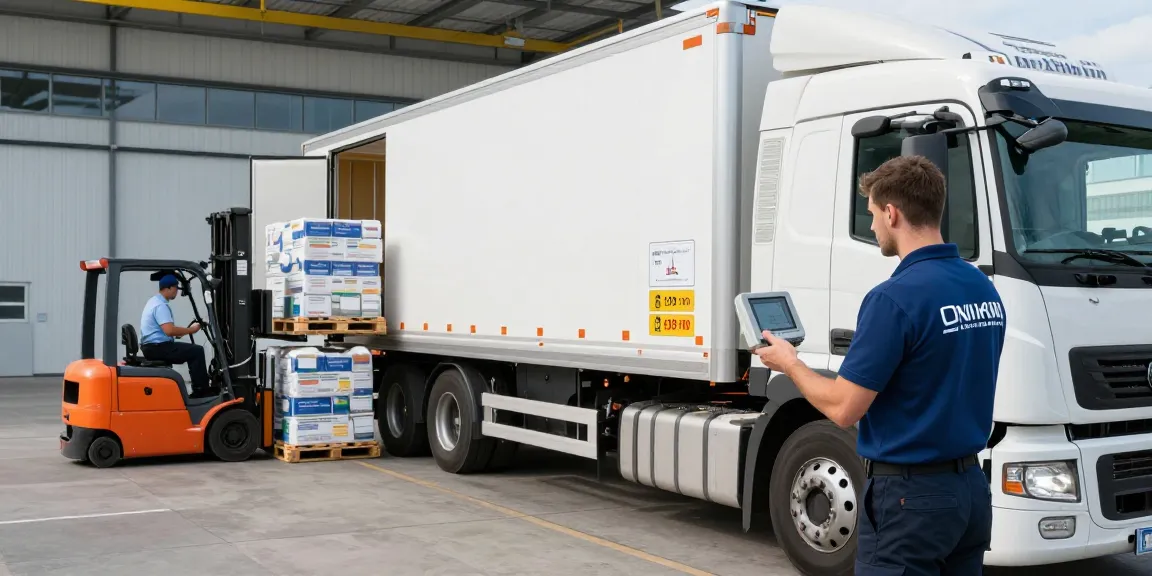
The construction industry is also grappling with rising material costs exacerbated by global supply chain disruptions. Both the pandemic and geopolitical tensions have contributed to rising prices and delays in material delivery, impacting project budgets and timelines.
Contractors are now more frequently seeking alternative materials or switching to local suppliers where possible to minimize delays. It's crucial for builders to stay informed about the evolving market conditions and adjust their procurement strategies accordingly to mitigate the impacts of these challenges.
Regulatory Hurdles and Zoning Challenges
Navigating the regulatory landscape is another major obstacle for Austin's construction industry. Zoning laws, building codes, and permitting processes can be complex and time-consuming, leading to project delays and additional costs. Understanding the intricacies of local regulations is essential for ensuring compliance and streamlining project timelines.
It is advisable for developers and contractors to engage local experts who are well-versed in the regulatory processes. By doing so, they can more effectively navigate hurdles and optimize project execution.
Construction Projects Shaping Austin's Future
Notable Ongoing Projects and Developments
Austin features a variety of notable construction projects currently underway that promise to shape the city's future. Projects such as the Texas Department of Transportation’s I-35 expansion and the new convention center are aimed at improving infrastructure and accommodating the growing population.
Other transformative projects include mixed-use developments that combine residential spaces with retail and community amenities. These developments are designed to create livable environments where residents can work, play, and socialize, encouraging a sense of community and reducing the reliance on transportation.
Impact of New Developments on Neighborhoods
As new construction projects arise, their impact on surrounding neighborhoods can be both beneficial and challenging. While these developments often lead to improved infrastructure and economic growth, they can also result in increased traffic and changes in the local character.
Community engagement is essential in the planning stages of these projects to ensure that resident concerns are addressed and that new developments enhance rather than detract from the local fabric. Transparency and collaboration between developers and neighborhood associations can help foster positive relations and sustainable growth.
Future Projects to Watch in Austin
Looking ahead, several exciting projects are positioned to launch in Austin that will further drive its transformation. The proposed expansion of Austin-Bergstrom Airport aims to enhance air travel accommodations, supporting the city's growth in tourism and business travel.
Additionally, new greenfield developments are anticipated as city planners look to expand outward while creating environmentally friendly, walkable neighborhoods that adhere to sustainable building principles. These projects will reflect the city's commitment to balancing growth with livability and environmental responsibility.
Best Practices for Engaging with Austin's Construction Market
Finding the Right Construction Partner
Collaborating with the right construction partner can significantly influence the success of a project. It’s crucial to conduct thorough research, assessing a potential contractor's experience, project portfolio, and client testimonials.
Establishing clear communication and defined expectations from the outset helps foster a relationship based on trust and transparency, which is vital for navigating the complexities of construction projects.
Utilizing Local Resources and Expertise
Engaging local resources can provide significant advantages in the Austin construction arena. Local subcontractors often have a better understanding of regional regulations, climatic considerations, and material availability. Leveraging community expertise can lead to more informed decision-making and smoother project execution.
Strategies for Successful Project Management
Effective project management is essential in overseeing construction processes to ensure quality and efficiency. Strategies such as employing agile project management techniques can enhance flexibility and responsiveness to changes or challenges that arise during construction.
Regular communication with all stakeholders—contractors, suppliers, and clients—is vital to maintaining alignment on goals and expectations. Utilizing technology tools for tracking project timelines, budgets, and communications can also contribute to overall project success.