Introduction to Structural Steel Construction
Structural steel construction is a vital aspect of modern architecture and engineering that encompasses the design and implementation of steel used to support buildings and other structures. From skyscrapers to bridges, the role of structural steel is pivotal in ensuring safety, durability, and aesthetic appeal. In this article, we will delve deep into structural steel construction, exploring its properties, applications, advantages, best practices, and future trends.
What is Structural Steel?
Structural steel is a category of steel used in the construction of buildings and other structures. It is manufactured in various shapes and sizes, including beams, columns, and plates, and is characterized by its high strength-to-weight ratio, making it ideal for supporting heavy loads. The primary types of structural steel include rolled sections, hollow sections, and steel plates, which can be tailored for specific engineering demands. It is composed mainly of iron and carbon, giving it its distinctive properties, and can be engineered to meet various standards and specifications for different construction projects.
Key Properties of Structural Steel
Structural steel is known for several key properties that make it suitable for construction purposes:
- High Strength-to-Weight Ratio: This allows for the construction of lighter structures without sacrificing strength or stability.
- Durability: Structural steel is resistant to many environmental factors, including corrosion, fire, and seismic activity.
- Flexibility: It can be fabricated into various shapes and sizes, accommodating diverse architectural designs.
- Weldability and Workability: Structural steel can be easily shaped, cut, and welded, allowing for efficient construction processes.
Importance in Modern Construction
The importance of structural steel construction in modern building projects cannot be overstated. It plays a critical role in:
- Infrastructure Development: Supports vital infrastructure, such as bridges, roads, and railways.
- Building Resilience: Helps create structures that can withstand natural disasters, such as earthquakes and hurricanes.
- Urbanization: Facilitates the construction of high-rise buildings, effectively addressing land scarcity in urban areas.
Applications of Structural Steel Construction
The versatility of structural steel allows it to be applied in various construction domains:
Commercial Building Projects
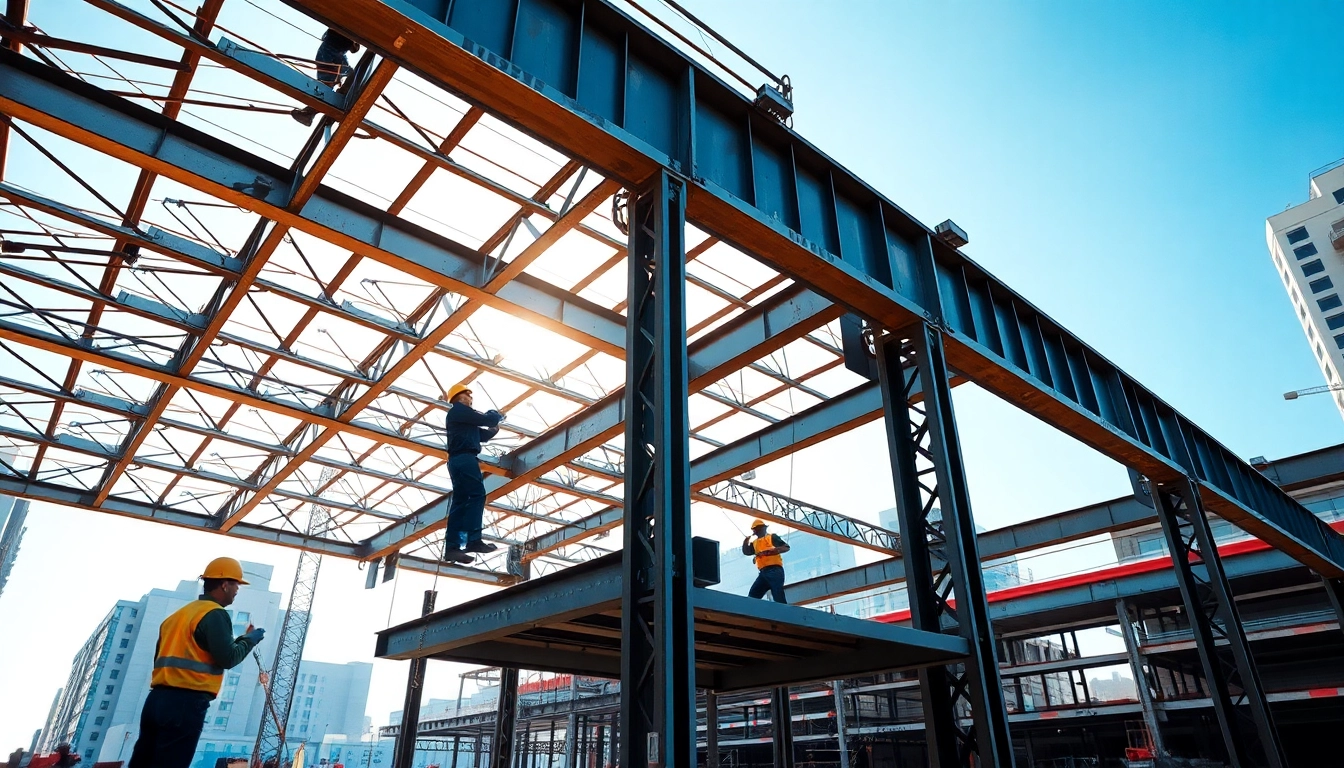
Structural steel is extensively used in commercial buildings, including office complexes, shopping malls, and hotels. Its quick assembly and durability allow for expedited construction, enabling developers to meet tight deadlines while maintaining quality. Steel-framed structures also offer considerable design versatility, accommodating both modern and traditional architectural styles.
Infrastructure and Bridges
Steel's robust structural integrity makes it a prime choice for bridges and other large infrastructural applications. Steel bridges provide enhanced load-carrying capacities and are critical for ensuring safe passage over bodies of water or across uneven terrain. The flexibility of steel allows for the construction of various bridge types, such as arch, suspension, and girder bridges.
Industrial Warehouses and Factories
In the industrial sector, structural steel constructions are the backbone of warehouses and manufacturing facilities. The open floor plans made possible by steel framing allow for efficient movement of materials and machinery, crucial for operational efficiency. Moreover, steel's ability to span large distances without supports facilitates more usable space within factories.
Advantages of Structural Steel Construction
Understanding the advantages of structural steel construction can help stakeholders make informed decisions. Here are some of the significant benefits:
Strength and Durability
One of the key advantages of structural steel is its exceptional strength. It can handle heavy loads and resist impacts, making it an ideal choice for multi-story buildings and substantial infrastructure. This durability translates to lower maintenance costs over the structure's lifespan, as steel components are less prone to wear and tear compared to other materials.
Cost-Effectiveness and Speed
While the initial cost of steel may be higher than other materials, the long-term savings are substantial. The speed of construction associated with steel frameworks leads to quicker project completions, reducing labor costs and improving overall project cash flow. Additionally, less waste is generated during fabrication compared to traditional methods, further enhancing cost-effectiveness.
Flexibility and Design Freedom
Architects appreciate the flexibility that structural steel offers in design. Steel can be easily molded into a multitude of shapes, enabling innovative designs that meet unique aesthetic preferences. This creative freedom is particularly valuable in today’s architectural landscape, where unique and visually striking buildings are increasingly valued.
Best Practices in Structural Steel Construction
Implementing best practices in structural steel construction is essential for ensuring safety, quality, and efficiency:
Safety Protocols on Site
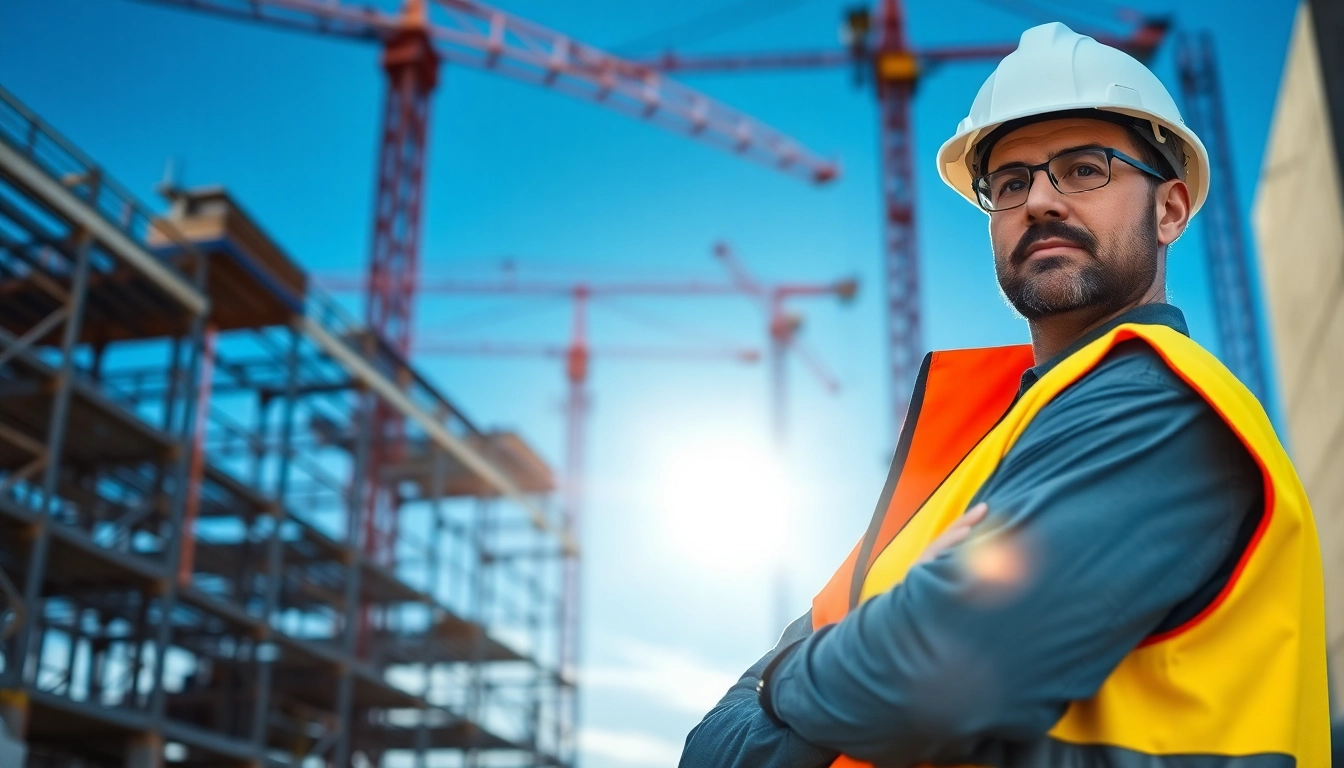
Safety is paramount in any construction endeavor. Proper safety protocols should be established, including thorough training for all personnel, use of personal protective equipment (PPE), and adherence to regulations set forth by occupational safety administrations. Regular safety audits and risk assessments help in identifying potential hazards and ensuring compliance with safety standards.
Quality Control Measures
Quality control is critical in maintaining structural integrity. Regular inspections and quality checks should be conducted throughout the construction process, from the materials used to the welding and assembly processes. Various standards, such as ASTM specifications, should be adhered to, ensuring materials meet industry requirements.
Innovative Design Techniques
Employing innovative design techniques, such as Building Information Modeling (BIM), can enhance the efficiency of the structural steel construction process. BIM technology allows for better visualization, coordination, and planning, reducing errors and increasing collaboration among contractors, architects, and engineers. Such techniques can significantly streamline workflows and improve timelines.
Future Trends in Structural Steel Construction
The field of structural steel construction is evolving, and several trends are shaping its future:
Sustainability Considerations
Sustainability is becoming increasingly critical in construction. Structural steel is recyclable, and using it can contribute to reducing a building's carbon footprint. Moreover, integrating sustainable practices—such as energy-efficient designs and eco-friendly materials—into structural steel construction is gaining traction. Builders are now more focused on lifecycle assessments to evaluate the environmental impact of their projects.
Technological Advancements
Technological advancements are influencing structural steel construction, with innovations such as automation in fabrication, advanced welding techniques, and smart construction technologies being adopted. Robotics and drones are now utilized for inspection and monitoring, enhancing safety and efficiency at construction sites.
Global Market Insights
The global demand for structural steel construction continues to rise, driven by rapid urbanization and infrastructure development in emerging economies. Understanding global market trends is essential for businesses to remain competitive. Factors such as economic conditions, regulations, and material availability will influence market dynamics and could prompt shifts in sourcing and construction methods.
In conclusion, structural steel construction represents a pivotal component in the architectural and construction industries. With its unique properties, various applications, and significant advantages, it is clear that structural steel remains integral in shaping the world we live in today and will continue to do so in the future. Emphasizing best practices, embracing innovative techniques, and being mindful of sustainability will empower stakeholders to effectively navigate the evolving landscape of structural steel construction.