Understanding the Mediterranean Diet
What is the Mediterranean Diet?
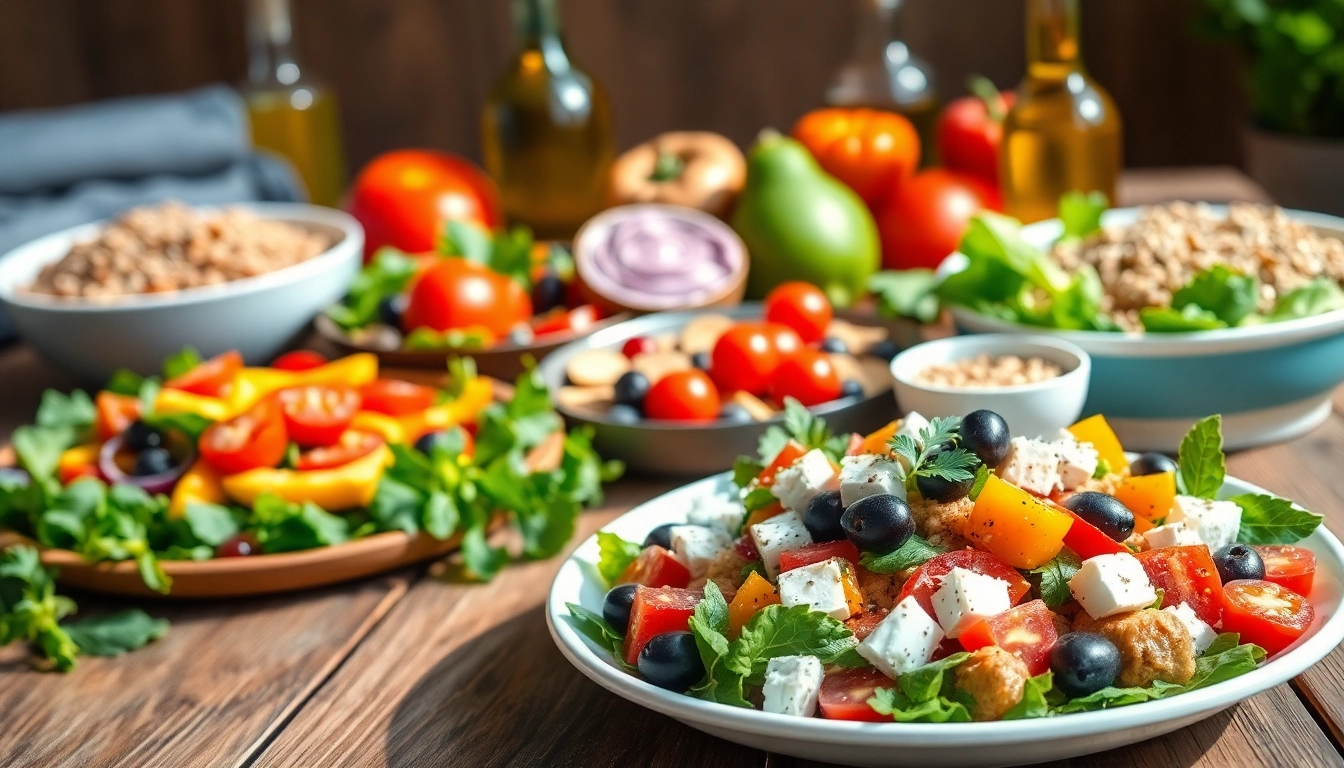
The Mediterranean diet is often celebrated for its health benefits and culinary delights. Originating from the traditional dietary patterns of countries bordering the Mediterranean Sea, it emphasizes a balanced intake of nutrients through whole, minimally processed foods. Central to this dietary approach are fruits, vegetables, whole grains, legumes, nuts, and healthy fats, particularly from extra virgin olive oil, while limiting red meat and sugary foods. The mediterranean diet not only promotes physical health but also encourages a sociable and enjoyable approach to eating, making meals a cultural celebration shared with family and friends.
Key Components of the Mediterranean Diet
The Mediterranean diet is characterized by its focus on nutrient-rich foods and flavors. Here are the primary components:
- Fruits and Vegetables: A wide variety of seasonal produce forms the basis of meals. The emphasis is on leafy greens, tomatoes, cucumbers, eggplants, and citrus fruits.
- Whole Grains: Foods like whole wheat bread, brown rice, and barley are staples, providing essential fiber and nutrients.
- Healthy Fats: Extra virgin olive oil is the primary source of fat, beloved for its heart-healthy properties. Nuts and seeds also contribute beneficial fats.
- Protein Sources: Lean proteins from fish (especially fatty fish like salmon and sardines), poultry, beans, and legumes are preferred, with red meat consumed only occasionally.
- Dairy: Moderate amounts of dairy, primarily in the form of yogurt and cheese, offer calcium and beneficial probiotics.
- Herbs and Spices: Fresh herbs and spices replace salt for flavoring, adding depth to dishes without compromising health.
History and Cultural Significance of the Mediterranean Diet
The Mediterranean diet is deeply rooted in the traditions and cultures of the Mediterranean region, encompassing countries such as Greece, Italy, and Spain. Its practices date back centuries and are intertwined with agricultural patterns, local foods, and social customs. The diet has evolved to include a variety of cooking methods and regional ingredients, making it both versatile and sustainable. Moreover, it reflects the Mediterranean lifestyle, emphasizing communal meals and mindful eating, which contribute to overall well-being.
Health Benefits of the Mediterranean Diet
Reducing the Risk of Chronic Diseases
Extensive research supports the health benefits of the Mediterranean diet, particularly its role in reducing the risk of chronic diseases. Studies have demonstrated that this diet can lower the incidence of heart disease, diabetes, and certain cancers. The combination of healthy fats, high fiber, and abundant antioxidants helps control cholesterol levels, manage blood pressure, and reduce inflammation—critical factors in preventing chronic illnesses.
Impact on Mental Health and Well-Being
Emerging evidence also suggests that the Mediterranean diet may positively impact mental health. Diets rich in fruits, vegetables, and omega-3 fatty acids have been associated with lower levels of depression and anxiety. The Mediterranean lifestyle, emphasizing social connections and enjoyable meal times, further supports mental well-being, making it not just a diet, but a holistic approach to health.
Weight Management with the Mediterranean Diet
For those seeking to manage their weight, the Mediterranean diet offers a flexible and sustainable approach. By focusing on whole, nutrient-dense foods, individuals experience satiation without overconsumption. The emphasis on portion control and mindful eating fosters healthier relationships with food, making adherence to dietary goals easier over the long term.
Getting Started with the Mediterranean Diet
Essential Foods to Include
To successfully adopt the Mediterranean diet, it’s important to start incorporating a variety of essential foods:
- Daily Greens: Leafy greens such as spinach, kale, and arugula should be part of each meal.
- Fruits: Aim for at least two servings of different fruits daily, prioritizing seasonal varieties.
- Whole Grain Alternatives: Substitute white bread and pasta with whole grain options.
- Fish and Seafood: Incorporate fish into meals at least twice a week, favoring fatty fish rich in omega-3 fatty acids.
- Legumes and Nuts: Include beans, lentils, and nuts regularly to boost protein intake without relying solely on animal sources.
- Herbs and Spices: Stock your kitchen with various herbs and spices to enhance flavor while reducing salt intake.
Common Pitfalls to Avoid
Transitioning to the Mediterranean diet can be challenging, and there are common pitfalls that individuals should be aware of:
- Overconsumption of Olive Oil: While healthy, it's still calorically dense, so moderation is key.
- Neglecting Processing Levels: Focus on whole, minimally processed foods. Many products marketed as “Mediterranean” can be highly processed and unhealthy.
- Underestimating Portion Sizes: Be mindful of serving sizes, especially with calorie-rich foods like nuts and cheeses.
Your First Week Meal Plan
Getting started on the Mediterranean diet can be made easier with a simple meal plan. Below is a suggested one-week starter plan:
- Day 1: Breakfast: Greek yogurt with honey and walnuts | Lunch: Quinoa salad with chickpeas, cucumbers, and feta | Dinner: Grilled salmon with steamed broccoli and brown rice.
- Day 2: Breakfast: Oatmeal topped with fresh berries | Lunch: Hummus and veggie wrap | Dinner: Chicken grilled with herbs, served with roasted vegetables.
- Day 3: Breakfast: Smoothie with spinach, banana, and almond milk | Lunch: Lentil soup with whole grain bread | Dinner: Shrimp stir-fry with bell peppers over whole grains.
- Day 4: Breakfast: Whole grain toast with avocado | Lunch: Greek salad with olives and chickpeas | Dinner: Baked eggplant with marinara sauce and a side of quinoa.
- Day 5: Breakfast: Chia seed pudding with almond milk | Lunch: Tuna salad with mixed greens | Dinner: Grilled chicken kabobs with mixed vegetables.
- Day 6: Breakfast: Scrambled eggs with tomatoes and basil | Lunch: Roasted vegetable and hummus platter | Dinner: Fish tacos with cabbage slaw.
- Day 7: Breakfast: Smoothie bowl topped with granola | Lunch: Caprese salad with fresh basil and balsamic | Dinner: Vegetable paella.
Incorporating the Mediterranean Diet into Your Lifestyle
Creative Recipes for Every Meal
Bringing diversity into your meals is crucial to enjoying the Mediterranean diet. Here are a few creative recipes:
- Chickpea and Spinach Stew: Sauté onions, garlic, and spices, add chickpeas and fresh spinach, and simmer for a comforting stew.
- Stuffed Bell Peppers: Fill bell peppers with a mixture of quinoa, raisins, nuts, and spices, bake until tender.
- Grilled Vegetable and Halloumi Skewers: Combine zucchini, bell peppers, and halloumi on skewers; grill until golden.
Shopping Tips for a Mediterranean Diet
When shopping for ingredients, keep these tips in mind:
- Buy Fresh and Seasonal: Choose produce that is in season for better taste and nutritional value.
- Prioritize Whole Foods: Aim for the bulk section for grains, legumes, and nuts, reducing packaging waste.
- Explore International Markets: Look for Mediterranean specialty stores that may offer unique ingredients.
Dining Out: Making Healthy Choices
Eating out on a Mediterranean diet can be enjoyable with some mindful choices:
- Opt for dishes that feature seafood or grilled meats and request dressings and sauces on the side.
- Start with a salad or vegetable dish, making it easier to fill up on healthier options.
- Share appetizers, focusing on hummus, tzatziki, and other plant-based dips.
Tracking Your Progress on the Mediterranean Diet
How to Measure Success
To evaluate your progress on the Mediterranean diet, consider the following metrics:
- Physical Health: Monitor your weight, blood pressure, and cholesterol levels through routine check-ups.
- Energy Levels: Keep track of your energy throughout the day and how your diet impacts your overall fatigue.
- Mental Well-Being: Reflect on your mood and mental clarity, noting any improvements in your emotional health.
Resources for Further Learning
Many resources are available for those looking to delve deeper into the Mediterranean diet. Books, online courses, and nutritional guidance from dietitians can offer valuable insights. Consider exploring:
- Cookbooks focused on Mediterranean cuisine.
- Online platforms for meal planning and recipes.
- Workshops or courses detailing the principles of Mediterranean eating.
Connecting with Community and Support Groups
Engaging with a community can greatly enhance your Mediterranean diet journey. Consider joining local cooking classes or online forums that focus on Mediterranean cuisine. These platforms allow you to share experiences, exchange recipes, and offer motivation while navigating challenges together.